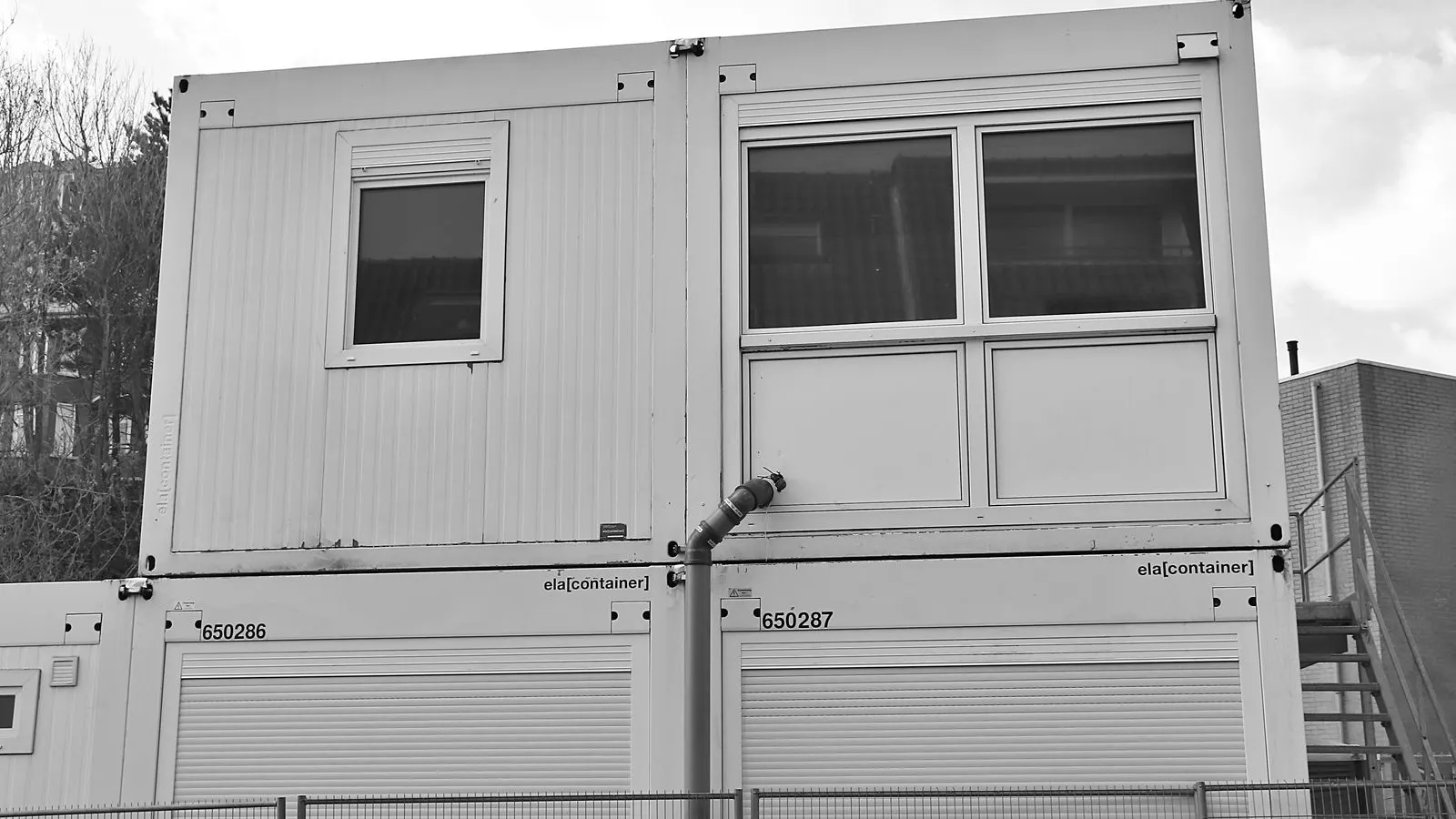
Container house costs depend on container size, steel grade, interior finish, and site conditions. Lead times vary by shipping route and fabrication complexity. A structured RFQ and fair comparison of quotes prevent budget overruns and delays.
- Container house cost is driven primarily by container size, steel grade, and interior finish level.
- Lead time depends on shipping distance, fabrication complexity, and site readiness.
- A clear RFQ specifying steel grade and finish requirements helps vendors provide accurate quotes.
- Comparing quotes on a per-square-foot basis with identical scope items ensures fair evaluation.
- Site preparation and permitting often add more cost and time than the container itself.
What Drives Container House Cost
Shipping container house cost rarely reflects the container shell alone. The base price for a standard steel container building includes the container itself, basic structural steel, and initial transport. Most of the budget variance comes from the work done after the container arrives at the site or before it leaves the factory.
Steel grade matters. A standard cargo container uses 1.5mm to 2mm cold-rolled steel. A structural steel container uses thicker plate, often 3mm to 5mm, with heavier corner posts and reinforced door frames. Upgrading from a standard cargo container to a structural steel container increases material cost significantly. It also changes how the building performs under load, which affects whether you need additional internal bracing or foundation work.
Container size sets the scale. A 20-foot container provides roughly 33 square meters of floor area. A 40-foot container doubles that space. Cost does not double linearly because fixed items like corner posts, door hardware, and basic insulation add less per additional meter. However, the shipping cost and site delivery logistics change with size. A 40-foot container requires a different trailer and more powerful lifting equipment than a 20-foot unit.
Interior finish level is the largest variable after the shell. A basic shell with only the original container paint and basic ventilation costs the least. Adding structural steel framing, insulated panels, windows, doors, and mechanical systems adds layers of cost. Each layer depends on the quality of the components. A basic drywall partition costs less than a structural steel stud with gypsum board and acoustic insulation. A standard door costs less than a steel fire-rated door with an electronic lock.
How Lead Time Works for Steel Container Buildings
Lead time for a shipping container house splits into three phases: fabrication, shipping, and site installation. A standard new cargo container can be delivered in weeks if it is in stock at a nearby port. A custom structural steel container building takes longer because the vendor must cut, weld, and finish the unit before it can be shipped.
Fabrication time depends on complexity. A basic insulated container with standard door and window openings might take several weeks to complete. Adding custom openings, integrated mechanical systems, or multiple containers joined together extends the schedule. Welding and cutting require certified processes. Inspection steps add time. Vendors with heavy production schedules may queue new jobs behind existing orders.
Shipping time varies by route. A container shipped within the same country takes days. A container shipped across an ocean takes weeks. Customs clearance adds another variable. Documentation errors, missing permits, or incomplete shipping declarations can delay a container at the port. The buyer should build buffer time into the project schedule for any cross-border shipment.
Site installation time depends on local conditions. A level, prepared site with a concrete pad or ground anchors reduces installation time. A site that requires excavation, grading, or stormwater management adds weeks. The crane or forklift must be available on the day of delivery. If the site is remote or access is limited, the delivery window narrows. Weather can delay outdoor work, especially if the building requires immediate waterproofing or enclosure.
How to Write a Clear RFQ for Container Houses
A vague request for a shipping container house leads to quotes that differ in scope. One vendor may include insulation and windows. Another may quote only the bare shell. To compare fairly, the RFQ must specify the exact deliverable.
Start with the container specification. State the size, such as 20-foot or 40-foot. State the steel grade or type, such as standard cargo or structural steel. Specify the number of containers and how they will be joined. If the building will be single-story or multi-story, say so. Multi-story container buildings require heavier structural steel and additional connections.
List the interior and exterior requirements. Specify the insulation type and thickness if required. List window and door types, sizes, and quantities. State whether mechanical systems such as heating, ventilation, or lighting are included. If the building will be used for a specific purpose, such as a workshop, office, or residence, mention it. The vendor needs to know if the building must meet local fire, safety, or occupancy standards.
Include the site information. Provide the site location and access details. State whether the site is prepared or if site work is required. Mention any local permitting requirements. If the buyer has already obtained permits, include a copy or reference. If not, ask the vendor to advise on the local requirements.
Ask for the quote to be itemized. A single lump sum makes comparison difficult. A line-item quote shows the cost of the shell, fabrication, shipping, site delivery, and installation. It also makes it easier to adjust the scope if the budget changes.
How to Compare Quotes Fairly
Receiving multiple quotes for a shipping container house can be confusing when the scope differs. One quote may include a steel frame. Another may include only the container shell. One quote may include shipping. Another may exclude it. To compare fairly, normalize the quotes to the same scope.
Create a comparison table with identical line items. Use the following categories: container shell, structural steel, insulation, windows and doors, mechanical systems, shipping, site delivery, and installation. Fill in each vendor’s price for each item. If a vendor does not provide a line item, ask for clarification before comparing.
Check the unit cost. Calculate the cost per square meter or per square foot. This helps identify whether a larger container offers better value. However, unit cost alone does not tell the whole story. A lower unit cost may hide higher shipping or site work costs.
Review the lead time in each quote. A cheaper quote with a three-month lead time may not be better than a slightly more expensive quote with a six-week lead time. The project schedule matters. If the building must be occupied by a specific date, the lead time is as important as the price.
Ask about warranties and after-sales support. A vendor that offers a structural warranty for the steel frame is different from one that only covers the container shell. Check what is excluded. Does the warranty cover corrosion, welding defects, or both? How long is the warranty period?
Cost and Lead Time Table
The table below summarizes the main cost and lead time drivers. Use it as a checklist when reviewing quotes or planning a project.
| Driver | Cost Impact | Lead Time Impact | Notes |
|---|---|---|---|
| Container size | High | Moderate | Larger containers cost more but reduce per-square-meter cost |
| Steel grade | High | Low | Structural steel costs more than standard cargo steel |
| Interior finish | High | High | Insulation, windows, and mechanical systems add time and cost |
| Shipping distance | Moderate to High | High | Ocean shipping adds weeks; local delivery adds days |
| Site preparation | Moderate | High | Excavation, grading, and foundation work extend the schedule |
| Permitting and compliance | Moderate | Moderate | Local building codes and inspections can delay start-up |
Common Mistakes in Budgeting and Scheduling
Buyers often underestimate the cost of site work. The container itself is a known quantity. The ground is not. A site that looks level from a distance may require excavation for drainage. A site near a property line may require surveying and setbacks. These tasks add cost and time that do not appear in the container quote.
Another mistake is assuming that a standard cargo container can be used as a structural building without modification. A standard cargo container is designed to hold cargo, not to support a roof or a second floor. If the building requires a structural frame, the cost of adding that frame must be included in the budget. If the buyer skips this step, the building may not meet local structural requirements.
A third mistake is ignoring the delivery window. The vendor may deliver the container on a Tuesday. If the site is not ready, the container must be stored or the vendor may charge a demurrage fee. The buyer must coordinate the delivery date with the site work schedule. A one-week delay in site preparation can delay the entire project.
A fourth mistake is not checking local regulations. Some jurisdictions require a building permit for any structure above a certain size or height. Some require a fire plan. Some require an electrical inspection. If the buyer does not know these requirements before starting, the project can stop at the inspection stage.
How to Manage Risk in Cost and Lead Time
To manage cost risk, build a contingency into the budget. A small percentage of the total budget can cover unexpected site conditions, material price changes, or scope adjustments. This does not mean the budget will be overspent. It means the project can absorb minor changes without stopping.
To manage lead time risk, start the long-lead items early. If the building requires custom windows or special doors, order them before the fabrication phase begins. If the building requires a crane, book it in advance. If the building requires permits, apply for them before the container is fabricated. Each of these tasks can run in parallel with the fabrication phase, which shortens the total project time.
Keep a single point of contact for the project. The vendor, the site contractor, and the buyer all need to be on the same page. Miscommunication between the site contractor and the delivery truck is a common cause of delay. A simple shared schedule with clear milestones reduces this risk.
Document every change in writing. If the buyer changes the window size or adds an extra door, the vendor must update the quote and the schedule. Verbal agreements are hard to enforce. A written change order protects both parties.
Final Considerations for Buyers
The shipping container house cost and lead time are not fixed numbers. They are ranges that depend on the specific project. A basic 20-foot container with standard finish and local delivery will cost less and arrive faster than a 40-foot structural steel building with custom finish and ocean shipping. The buyer must define the scope before asking for a quote.
A clear RFQ, a fair comparison of quotes, and a realistic schedule are the tools that turn uncertainty into a manageable project. The buyer who specifies the steel grade, the finish level, and the site conditions will get a quote that matches the actual project. The buyer who waits for a price to appear without defining the scope will find the final cost different from the first estimate.
Start with the site. Check the ground, the access, and the local rules. Then define the building. Choose the size, the steel, and the finish. Finally, write the RFQ. The order of these steps matters. A site that is not ready will delay a container that is already built. A building that is not clearly defined will cost more than expected.
Frequently asked questions
Does a structural steel container cost more than a standard cargo container?
Yes. Structural steel containers use thicker plate and heavier corner posts, which increases material and fabrication cost. The price difference depends on the steel thickness and the specific design requirements.
How long does it take to ship a container house across an ocean?
Ocean shipping typically takes several weeks depending on the route and port congestion. Customs clearance and documentation can add additional time. The buyer should include buffer days in the project schedule.
Can I compare quotes if one includes shipping and another does not?
Not directly. You must normalize the quotes to the same scope. Ask the vendor to itemize shipping, site delivery, and installation so you can compare the total delivered cost on a level basis.
What is the biggest factor in site lead time?
Site preparation and permitting are often the biggest factors. Excavation, grading, and foundation work take time. Permitting can delay the start of construction if local codes require inspections or approvals.
Should I buy a new container or a refurbished one for a house?
It depends on the project. A new container offers a known condition and a longer warranty. A refurbished container may cost less but requires careful inspection of the shell, doors, and structural integrity. Check the vendor's inspection process before buying.