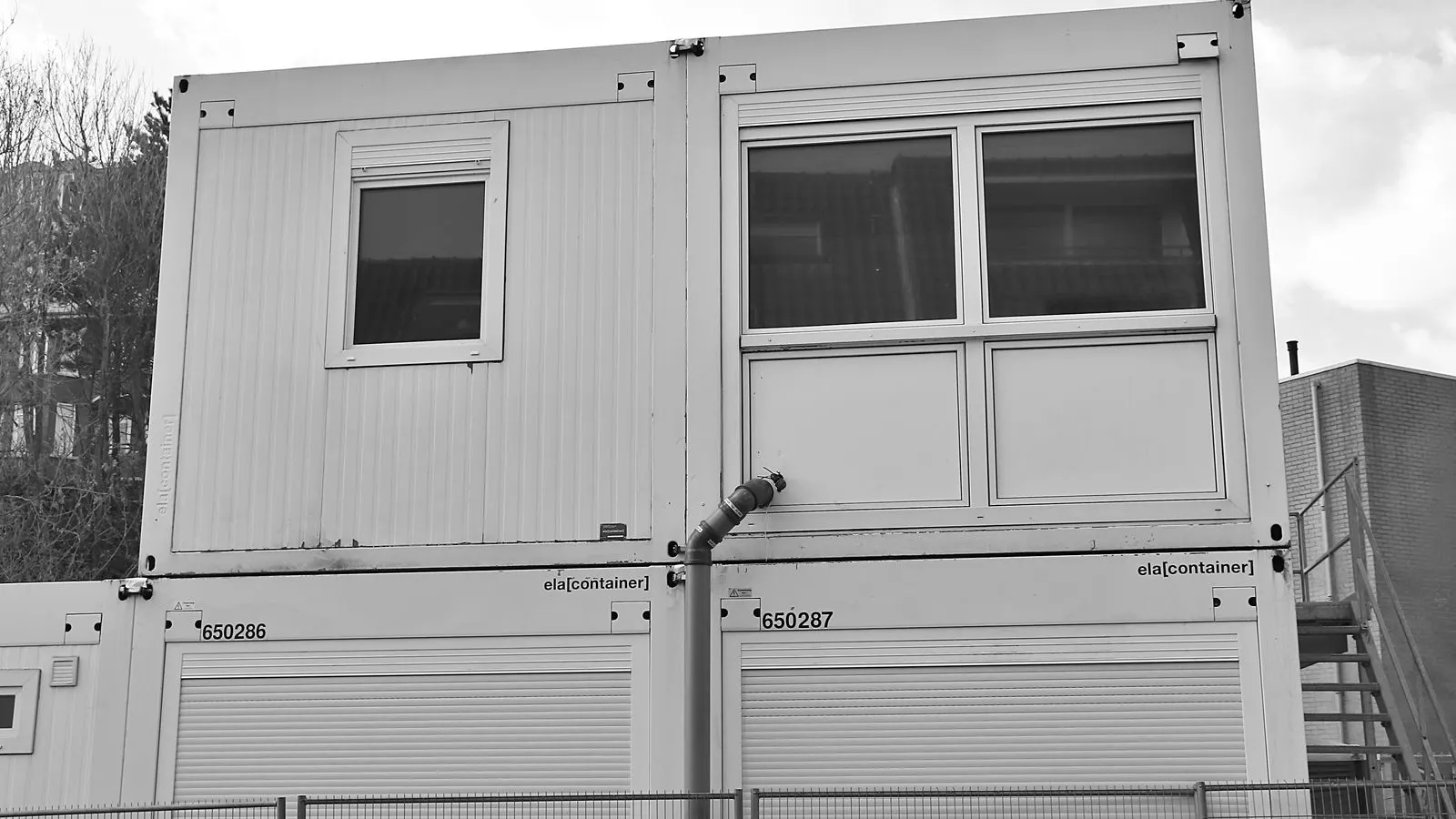
This guide outlines the criteria for sourcing a shipping container house. It compares new and refurbished steel containers, explains structural checks, and provides a decision checklist for buyers.
- New containers offer predictable dimensions and warranty, while refurbished units provide cost savings with added inspection needs.
- Always verify the steel grade and check for rust, dents, or deformation before committing to a purchase.
- Confirm the source can provide documentation on load ratings and structural modifications.
- Prioritize suppliers who allow physical inspection or third-party testing.
New Containers: Predictability and Warranty
Buying a new shipping container house involves a simpler transaction. You receive a standardized unit with known dimensions, a fresh paint coat, and a manufacturer warranty. The steel is typically in good condition, and the lock mechanisms and doors operate smoothly.
The main advantage is consistency. Every unit from the same source matches the specifications in the catalog. You do not need to guess about the history of the steel or the condition of the internal structure. For a residential build, this predictability reduces risk.
However, new units cost more. You are paying for the steel, the paint, and the brand name. If you need a standard size, a new container is the most straightforward option. The lead time can vary. Some suppliers keep stock, while others order from a manufacturer and wait weeks for delivery.
Refurbished Containers: Value and Condition
Refurbished containers offer a lower entry price. These units have seen previous use. They may have carried cargo, sat in a port, or been stored outdoors. The price drop reflects the wear and tear.
The condition varies significantly. A unit refurbished for storage might have a solid core but a scratched exterior. A unit used for hazardous cargo requires deep cleaning and may have structural corrosion. You must evaluate the source carefully. A reputable supplier will disclose the previous use. A low-priced vendor may hide defects.
When buying refurbished, you are essentially buying a used piece of steel. The value depends on the integrity of the structure. If the frame is straight and the walls are not rusted through, the unit is viable. If the floor is warped or the corners are bent, the cost of repair may erase the savings.
Structural Steel and Load Ratings
The steel type determines the strength of the container. Most containers are made from corrugated steel. The thickness of the steel and the shape of the ribs affect the load rating. A structural steel container is built to withstand the weight of cargo and transport.
For a house, the load rating matters. You are not stacking tons of freight. You are placing a floor, a roof, and living loads. However, the steel must handle wind uplift and snow loads. A container with thin steel may deflect under heavy loads. This causes the floor to bow and the walls to warp.
Check the plate thickness. Thicker steel resists denting and rust. Look for the manufacturer’s stamp. It lists the steel grade and the test code. If the stamp is missing or unreadable, ask for documentation. Without it, you are guessing about the structural capacity.
Inspection Criteria
Before buying, inspect the unit. Walk around the exterior. Check the corners for bending. The corners are the primary load paths. If they are dented, the frame may be compromised. Check the roof for rust. Rust can spread quickly in thin steel.
Open the doors. They should move freely. If they stick, the frame may be out of square. Check the floor. It should be flat. Water pooling on the floor indicates a warped deck. Look for signs of previous modification. Welds, cutouts, or added brackets change the structural profile.
For a shipping container house, the floor is critical. It must support the weight of the occupants and the furniture. A thin floor may need reinforcement. A thick floor may be overkill. The goal is a balance. Inspect the internal structure. Look for support beams. They should be straight and firmly attached.
Sourcing from Vendors
Vendors sell new and refurbished units. Some are manufacturers. Some are resellers. Some import units from ports. Each has different strengths. Manufacturers control the production process. They can provide custom sizes and finishes. Resellers rely on market supply. They may have lower prices but less control over quality.
When talking to a vendor, ask about their sourcing. Where do the units come from? Do they test the steel? Do they provide a warranty? A good vendor will answer these questions. They will provide documentation. They may offer a refund if the unit fails inspection.
Consider the logistics. The container must be delivered to your site. The site needs a crane or a forklift. The ground must be stable. If the delivery is difficult, the cost increases. Factor in the transport and installation when comparing quotes.
Design Considerations
The container home design must match the unit. You cannot modify a thin floor to support a heavy concrete roof. The design must align with the structural capacity. If you plan to add insulation, the internal dimensions shrink. If you plan to add windows, you must reinforce the walls.
Work with an engineer. They will review the container specifications. They will calculate the loads. They will advise on reinforcements. This step prevents costly mistakes. A poorly designed build may fail under load. A well-designed build lasts for decades.
Consider the climate. In cold regions, the steel needs insulation to prevent condensation. In hot regions, ventilation is key. The container design must adapt to the environment. The source of the unit must match the design needs. A new unit may be better for a custom design. A refurbished unit may be better for a simple build.
Cost and Value
The cost of a shipping container house includes the unit, the transport, and the modifications. The unit price is only part of the total. A cheap unit with high repair costs is not a good deal. A new unit with low repair costs may be better.
Evaluate the total cost of ownership. Maintenance is lower for new steel. Refurbished units may need repainting and rust treatment. The long-term cost may favor the new unit. However, the initial savings on a refurbished unit can be significant.
Compare quotes from multiple vendors. Ask for itemized pricing. Break down the cost of the unit, the delivery, and the inspection. Do not rely on a single number. The details reveal the true value.
Decision Checklist
Use this checklist when choosing a source. It helps you compare options objectively.
- Verify the steel grade and plate thickness.
- Check the structural integrity of the corners and floor.
- Confirm the load rating for residential use.
- Review the warranty and inspection report.
- Evaluate the total cost including transport and delivery.
- Assess the vendor’s reputation and documentation.
A clear process helps you avoid mistakes. You want a unit that is safe and strong. You want a vendor who is honest and reliable. The right source saves time and money. It ensures the build goes smoothly.
Final Thoughts
Sourcing a shipping container house requires careful evaluation. New units offer consistency. Refurbished units offer savings. The best choice depends on your budget and your build plans.
Focus on the structure. The steel is the foundation. If the steel is good, the build is strong. If the steel is poor, the build fails. Inspect every unit. Ask for documentation. Work with a professional.
The market offers many options. You have the power to choose well. Use the criteria in this guide. Make an informed decision. Your home will last longer. Your investment will be safer.
Frequently asked questions
Can a refurbished container be used for a house?
Yes, provided the steel is in good condition. You must inspect the structure and ensure it meets load requirements for residential use.
What is the main difference between new and refurbished containers?
New containers have a warranty and predictable condition. Refurbished containers are cheaper but require thorough inspection for rust and structural damage.
How do I check the steel quality?
Look for the manufacturer's stamp and check the plate thickness. You can also ask for a material certificate from the vendor.
Do I need an engineer for a container house?
Yes, an engineer should review the design and structural modifications. They ensure the build meets local building codes and load requirements.
How long does delivery take?
Delivery time varies by vendor and location. New units may have longer lead times. Refurbished units may be in stock. Confirm the timeline before buying.