Insulation & Materials
How to Specify Wall Assemblies for High Climate Zones
To specify a prefab wall assembly for high climate zones, you must prioritize continuous air sealing, high-performance insulation, and moisture management. The guide
Review common insulation types, wall systems, and exterior materials used in prefab and modular buildings to improve energy performance.
To specify a prefab wall assembly for high climate zones, you must prioritize continuous air sealing, high-performance insulation, and moisture management. The guide
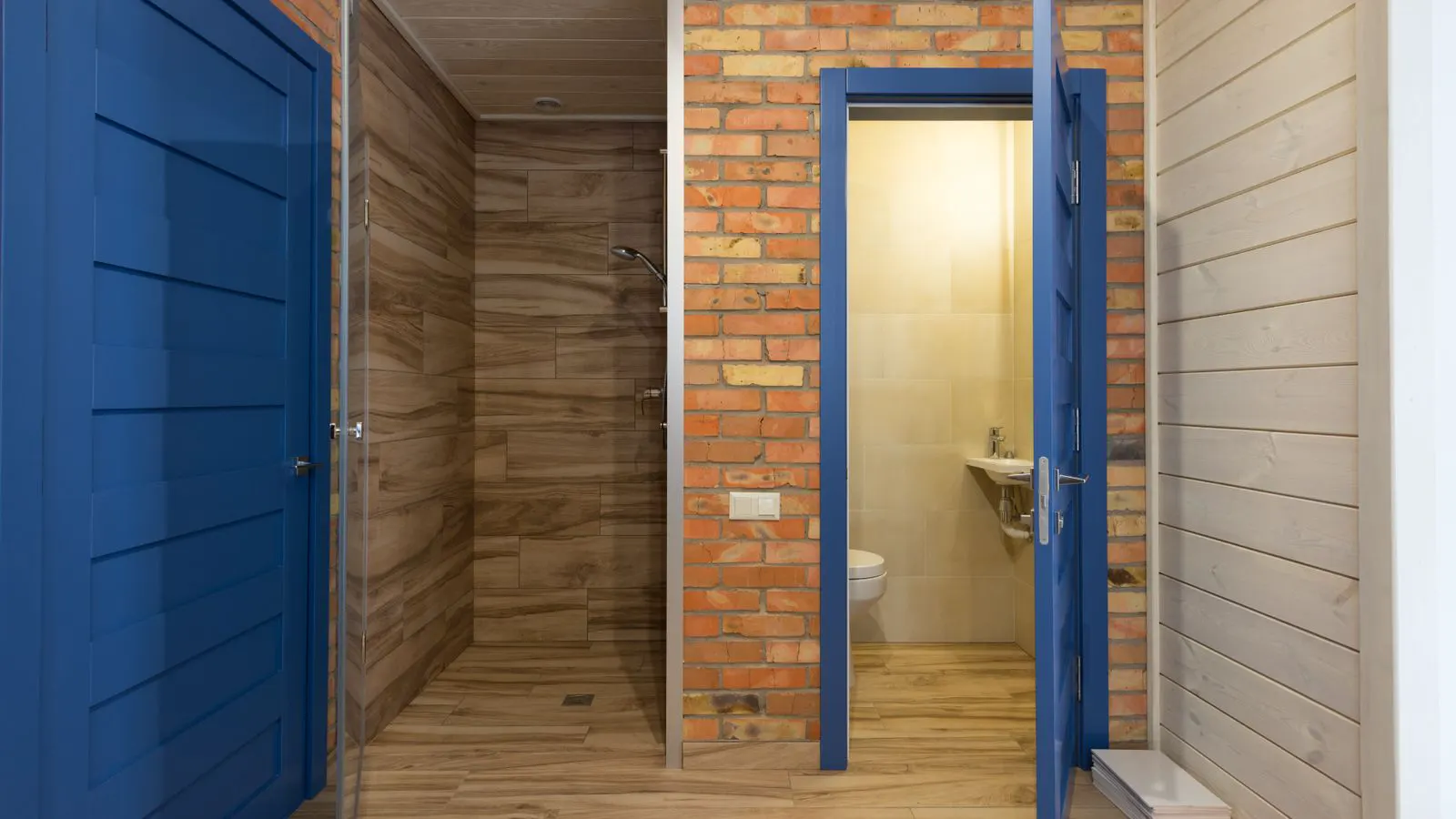
Identify where moisture forms in factory walls, distinguish between construction moisture and condensation, and apply targeted fixes to protect insulation and structural
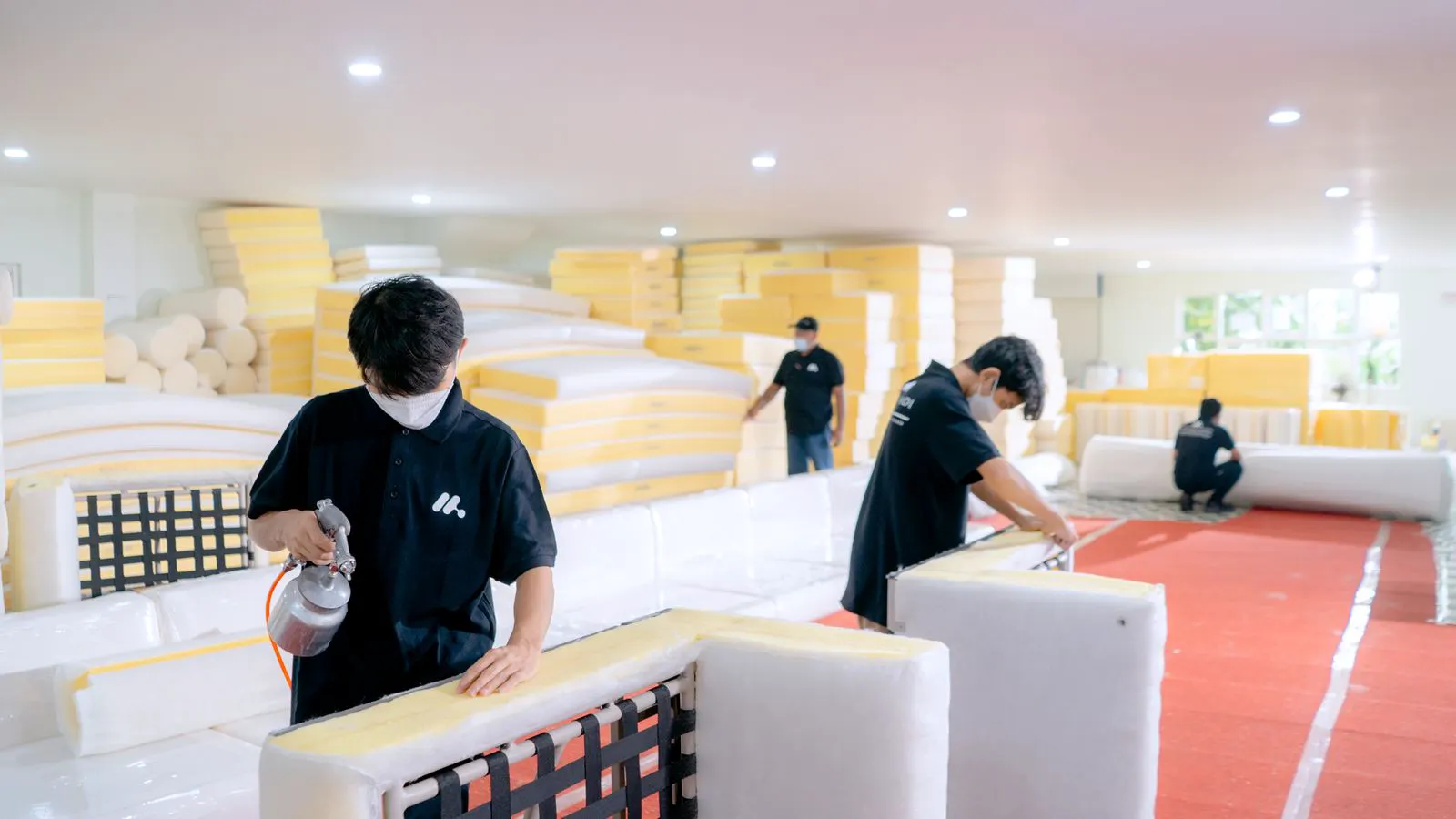
An air barrier stops moving air, while a vapor barrier manages water vapor. In modular walls, these layers must be continuous and correctly placed. Confusing the two

Prefab wall insulation cost depends on material type, thickness, and supplier region. Insulation lead time varies with production schedules and shipping. A clear RFQ and

Modular construction materials and structural connections determine thermal performance. Insulation type, connection design, and moisture control affect energy use.

Specify prefab house exterior finishes by matching cladding materials to local weather, detailing joints for drainage, and verifying factory and site assembly. This
Fiberglass and mineral wool are common options for prefab walls. Fiberglass is lighter and often cheaper, while mineral wool offers better fire resistance and moisture

Inspectors verify modular wall insulation by checking documentation, physical continuity, moisture levels, and thermal performance. This guide provides a structured
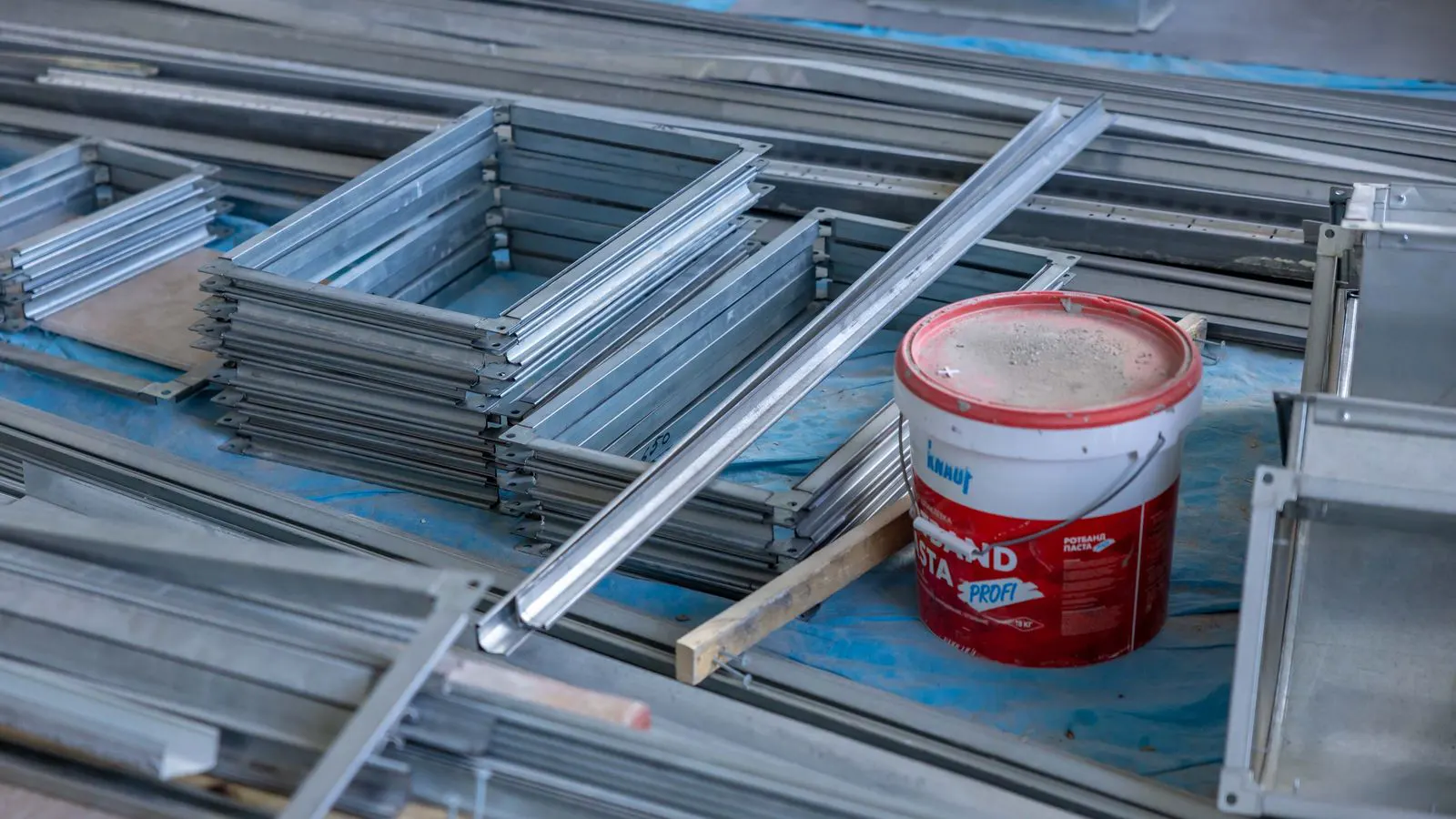
Prefab wall systems cost depends on panel type, insulation, cladding, and site conditions. Lead times vary by complexity and supply chain. A structured RFQ and clear
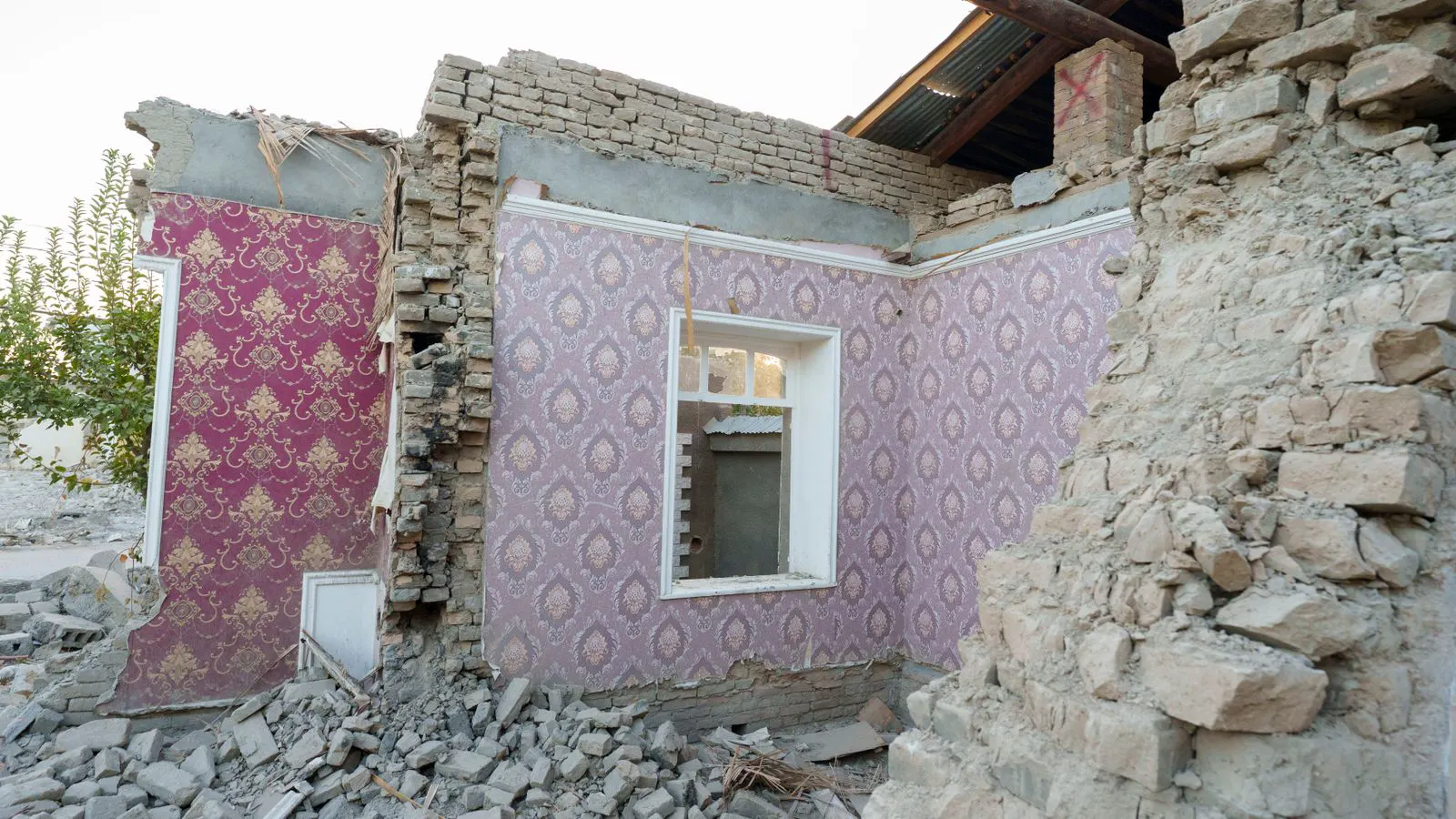
Select insulation for prefab house projects by matching material type to structural design, checking U-values, and verifying moisture control. Prioritize

Engineers can fix prefab wall moisture by checking the air barrier, verifying insulation continuity, and controlling temperature differences. A structured inspection of
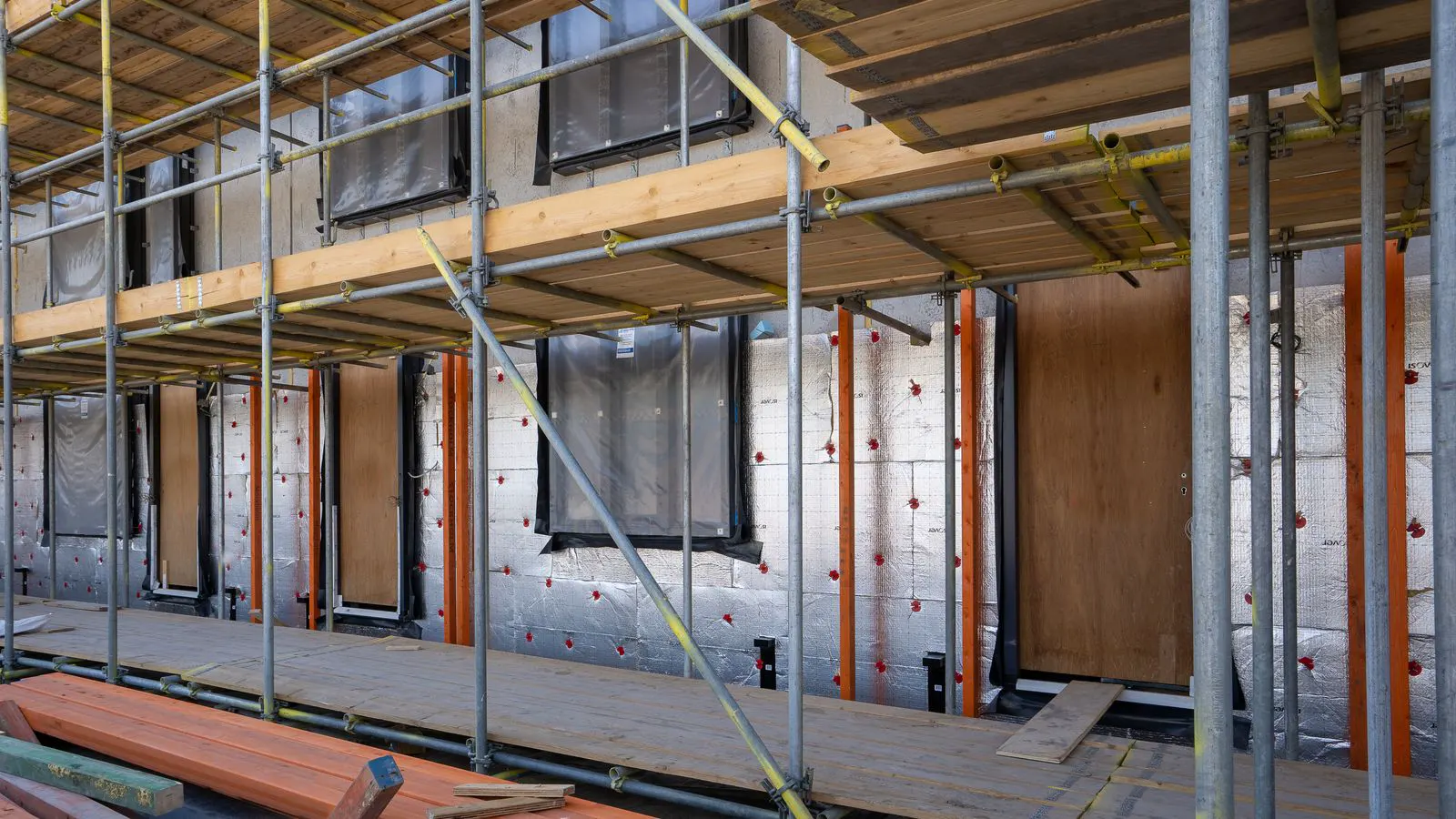
The future of prefab building insulation focuses on higher R values, lower carbon footprints, and tighter assembly tolerances. Buyers must plan for advanced mineral