Prefab wall insulation cost depends on material type, thickness, and supplier region. Insulation lead time varies with production schedules and shipping. A clear RFQ and standardized specifications help you compare modular wall pricing accurately for budgeting and project planning.
- Material choice, thickness, and region drive prefab wall insulation cost more than labor.
- Lead time is controlled by manufacturer capacity, shipping distance, and documentation speed.
- A standardized RFQ with clear specs prevents quote drift and hidden costs.
- Compare quotes using a common unit price and delivery date, not just the total.
- Verify moisture protection and thermal bridge details before finalizing the system.
What Drives the Price of Prefab Wall Insulation
Prefab wall insulation cost is rarely a single number. It is built from a stack of variables that shift between projects. The base material sets the floor. The thickness and R-value raise the ceiling. Region and supply chain conditions add or remove volatility.
Fiberglass batts are generally the most economical option for standard cavity walls. Mineral wool costs more per square meter but offers better fire resistance and moisture tolerance. Vacuum insulation panels are the most expensive. They deliver high performance in thin sections, which matters when space is constrained. Aerogel products sit near the top of the price curve. They are used in niche applications where weight or thickness is critical.
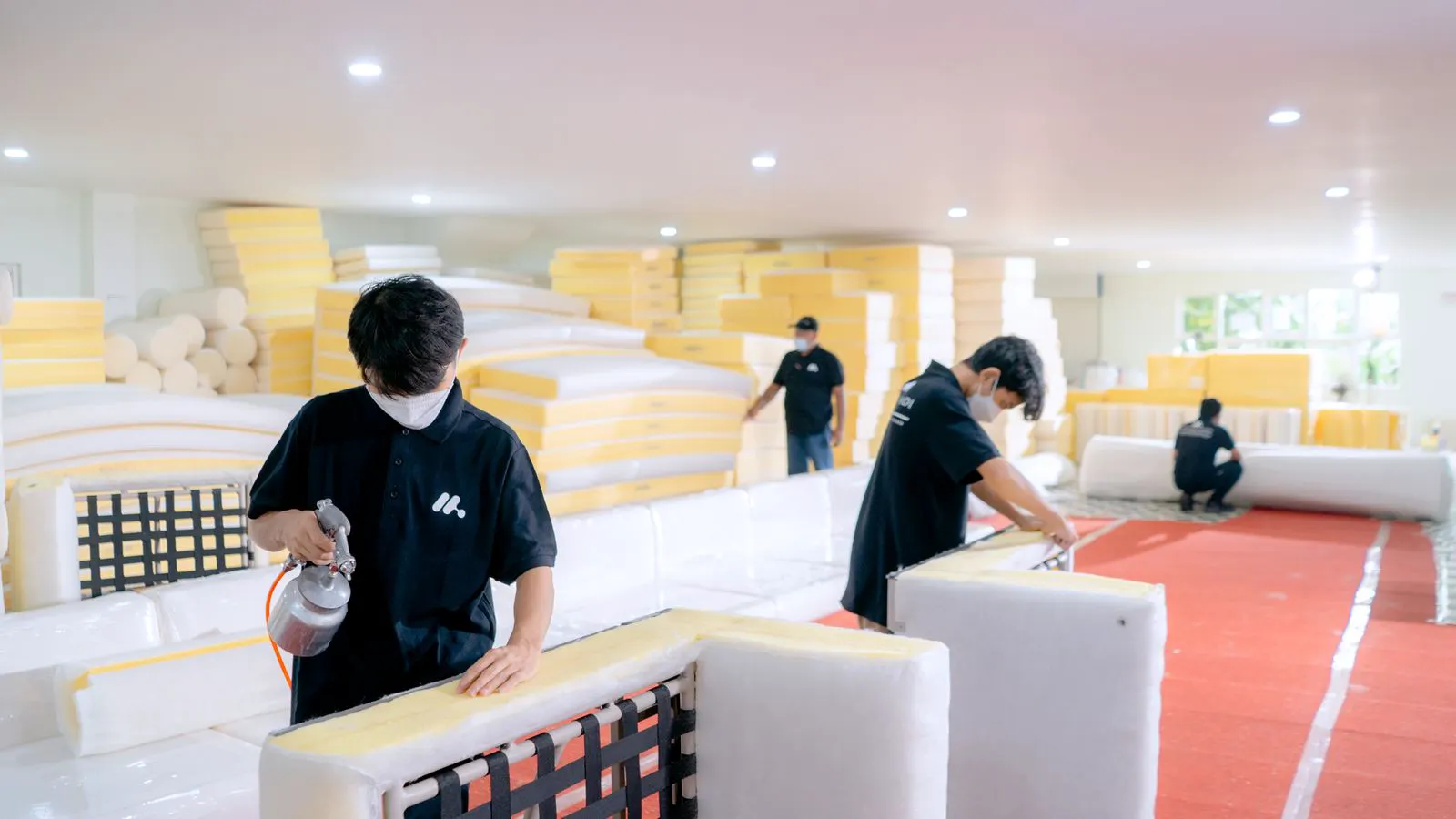
The physical form of the insulation matters as much as the chemistry. Loose fill is cheaper to buy but harder to control in a factory setting. Panels are pricier but cut, stack, and ship as discrete units. This matters for modular construction because the wall is often assembled off-site. Panels reduce waste and make the factory floor predictable.
Thickness is the second major driver. A standard cavity wall might use one or two layers of batts. A high-performance wall might use a thick mineral wool blanket or a composite of rigid foam and batts. Every extra centimeter of thickness adds material weight and volume. Shipping costs rise with volume. A supplier will charge more for a pallet of 150mm panels than for 100mm panels, even if the R-value difference is modest.
Region and season affect price. Insulation is a commodity that moves in bulk. If a supplier is located far from the production facility, freight adds to the unit cost. Local availability matters. A plant that produces mineral wool in one region may have to import from another if local demand spikes. Seasonal construction peaks can tighten supply and push prices up.
How Insulation Lead Time Works
Insulation lead time is the gap between the purchase order and the delivery at the factory gate. It is not just shipping time. It includes production scheduling, quality control, and documentation.
Most insulation products are manufactured continuously. A plant running at full capacity can ship standard sizes quickly. Custom sizes, specific fire ratings, or special density grades require extra setup. This can add days or weeks to the lead time.
Shipping distance is the other half of the equation. A local supplier may deliver in 48 hours. A supplier across a country may take a week or more. International sourcing adds customs clearance, import taxes, and longer ocean or air freight windows. If you are building in a remote area, the last mile can be the slowest part of the chain.
Documentation is often overlooked. A missing material test certificate or a fire rating document can stall a delivery at the border or at the site. The supplier needs the exact technical data sheet before they can ship. If the RFQ is vague, the supplier will ask clarifying questions. Every question and answer cycle adds time.
How to Write a Clear RFQ for Insulation
A weak RFQ produces weak quotes. If you ask for “insulation for prefab walls,” you will get generic answers. You need to specify the system.
Start with the wall assembly. List the layers from outside to inside. Include the cladding, the air gap, the insulation, the structural frame, and the interior finish. Specify the thickness of each layer. State the required R-value or thermal conductance. If you need a specific fire rating, include the standard and the class.
State the quantity clearly. Give the area in square meters or square feet. Add a waste allowance if you are not using a panelized system. If you are using panels, give the panel dimensions. If you are using batts, give the width and length. The supplier needs to know how many units to cut, stack, and ship.
Include delivery details. State the drop-off location. Specify the date range. Note any site access restrictions. If the wall is being assembled in a factory, the insulation might need to arrive in a specific state. Some projects require the insulation to be pre-cut. Others require it to be in bulk. Clarify this.
Finally, ask for the price structure. Request the unit price per square meter or per square foot. Ask for freight costs. Ask for any handling fees. Ask for the lead time. A good supplier will provide a detailed breakdown. A bad one will give a single number. The single number hides the variables.
How to Compare Quotes Fairly
Comparing quotes for prefab wall insulation cost is easy if the specs are identical. It is messy if they are not.
Do not compare the total price. Compare the unit price. Strip out the freight, the handling fees, and the markup. Look at the cost per square meter of insulation. Then look at the lead time. A cheaper quote with a long lead time might cost you more in project delays.
Check the material grade. Two quotes might both say “mineral wool.” One might be 120kg/m3 density. The other might be 80kg/m3. The denser product is stiffer and holds its shape better. It is also more expensive. Make sure you are comparing the same product.
Check the fire rating. A quote might offer a standard rating. Another might offer a higher class. If your project requires a specific class, a lower-rated quote is not comparable. It is simply invalid.
Check the warranty and support. A supplier that offers a performance guarantee or technical support might charge a premium. That premium might be worth it if the insulation is in a critical part of the wall.
Cost Drivers Table
| Cost Driver | Effect on Price | Effect on Lead Time |
|---|---|---|
| Material Type | Fiberglass is low. Mineral wool is mid. Vacuum panels are high. | Standard grades are fast. Custom grades are slow. |
| Thickness | Price scales linearly with thickness. | Thicker panels weigh more. Shipping may be slower. |
| Region | Local suppliers have lower freight. | Local delivery is fast. Import delivery is slow. |
| Quantity | Bulk orders lower unit price. | Small orders may wait for a full pallet. |
| Customization | Pre-cut or custom shapes add cost. | Custom cuts require setup time. |
| Season | Peak construction season raises prices. | Supplier capacity is tighter in peak season. |
Common Mistakes in Sourcing
Buyers often underestimate the cost of moisture protection. Insulation in a prefab wall must be protected from condensation. If the wall assembly is not designed for the local climate, the insulation can fail. This is not a price issue. It is a performance issue. A cheap insulation system that fails is not cheap.
Another mistake is ignoring the thermal bridge. In prefab walls, the structural frame creates a path for heat loss. If the insulation is not continuous, the R-value drops. You might buy more insulation to compensate. This adds cost. It adds weight. It complicates the factory assembly.
A third mistake is not verifying the material. Before you buy, ask for the material test certificate. Ask for the fire rating document. Ask for the moisture resistance data. If the supplier cannot provide these, they are not ready to supply your project.
Final Checks Before Ordering
Before you sign the purchase order, run through a final checklist. Confirm the material grade and density. Confirm the thickness and the R-value. Confirm the fire rating. Confirm the quantity and the waste allowance. Confirm the delivery date. Confirm the payment terms.
Make sure the supplier understands the project. If you are building in a cold climate, they need to know. If you are building in a humid climate, they need to know. The insulation system is not just a material. It is part of the wall assembly. The supplier needs to understand the context.
If you have any questions, contact the supplier. A good supplier will answer. A bad supplier will disappear. Choose the supplier who communicates. Choose the supplier who provides the documents. Choose the supplier who delivers on time.
Frequently asked questions
What is the most common insulation for prefab walls?
Fiberglass batts are the most common due to low cost and ease of installation. Mineral wool is also widely used for better fire and moisture performance.
How does thickness affect prefab wall insulation cost?
Cost scales directly with thickness. Thicker insulation requires more material and adds to shipping weight.
What is the typical lead time for insulation?
Lead time varies by region and supplier. Local suppliers can often deliver within a few days. Import sources may take weeks.
Should I buy insulation locally or import it?
Local sourcing usually reduces freight costs and lead time. Importing may be necessary for specialized materials or to meet specific fire ratings.
How do I verify the quality of the insulation I receive?
Check the material test certificate, fire rating document, and moisture resistance data. Verify the density and thickness against the specification.