Shipping cost modular building expenses depend on distance, route complexity, and load dimensions. Importers must evaluate carrier capacity, transit time, and final-mile delivery to budget accurately. This guide breaks down the variables affecting total logistics costs.
- Shipping cost modular building estimates require analyzing specific route distances and terrain.
- Final-mile delivery often accounts for a significant portion of total logistics expenses.
- Carrier selection and load dimensions directly impact per-mile rates and surcharges.
- Transit time and insurance must be included in the total landed cost calculation.
- Early coordination with carriers prevents unexpected route surcharges and delays.
How Distance Affects Your Modular Shipping Cost
The primary driver of shipping cost in modular building expenses is the distance between the factory and the destination site. Every mile adds to fuel, driver hours, and vehicle wear. However, distance alone does not determine the final bill. Terrain and road conditions modify the rate significantly.
Transporting a modular unit across flat highway networks costs less than moving it through mountainous or urban areas. Steep grades increase fuel consumption and put extra strain on the braking system. Narrow city streets require smaller vehicles or multiple trips, raising the per-unit cost. Route planning must account for weight limits on specific bridges and roads. These restrictions can force detours that add hundreds of miles. A simple point-to-point map distance often misleads buyers because it ignores the legal limits of the infrastructure.
Long distance shipments also increase the exposure to weather and delays. A three-week cross-country move faces more variables than a two-day regional haul. Carriers add contingencies to their rates when transit time exceeds standard thresholds. These contingencies protect the carrier but raise the cost for the buyer. The longer the route, the higher the likelihood of mechanical failure, tire blowouts, or regulatory stops.
Route Complexity and Infrastructure Requirements
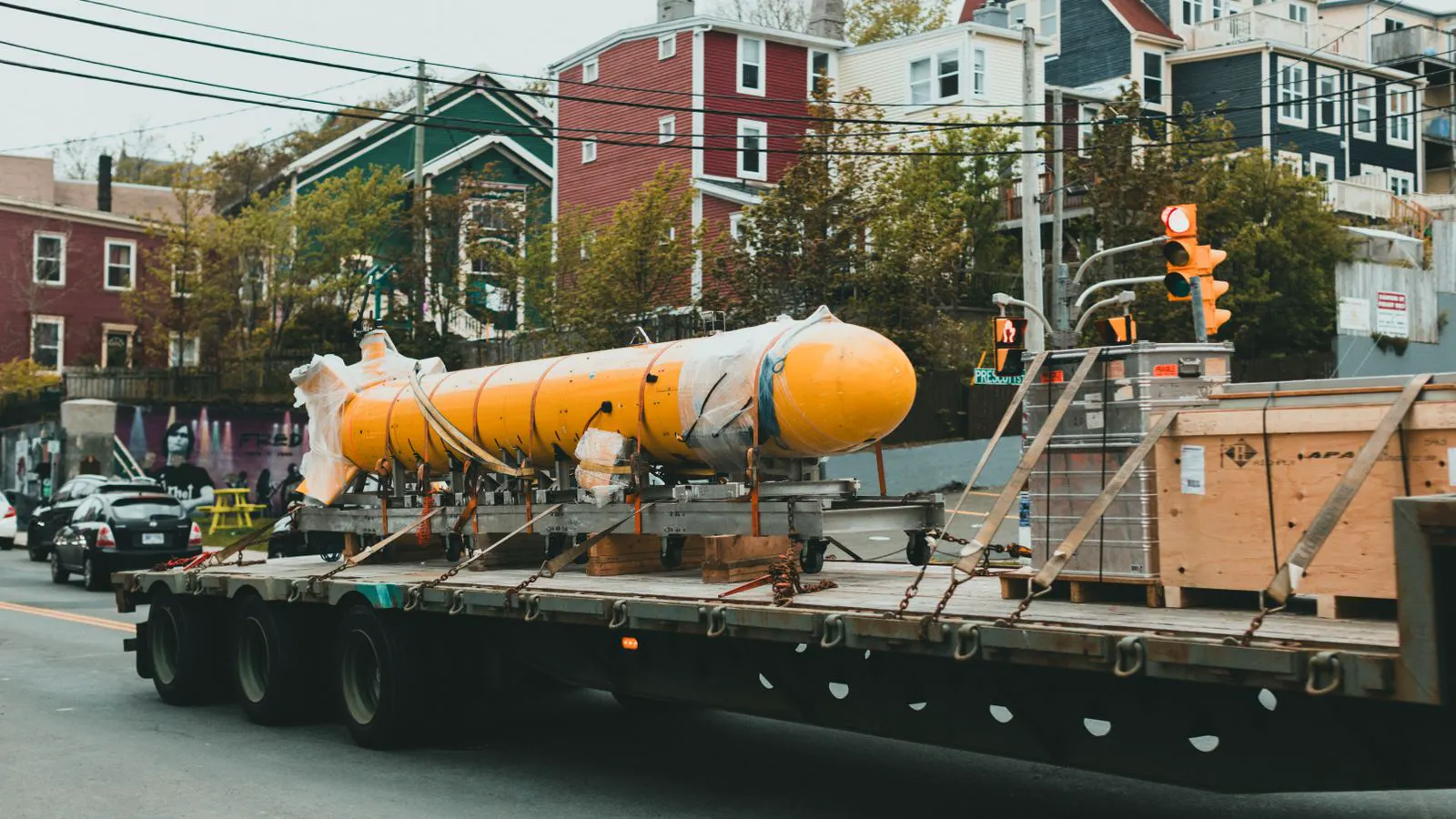
Route complexity adds hidden costs to the shipping process. Modular buildings often exceed standard vehicle width and height limits. These oversized loads require special permits and escort vehicles in many jurisdictions. Each permit adds a fixed fee. Escort vehicles add hourly charges that accumulate with transit time. In some areas, the escort fee is a flat daily rate, while in others it is calculated by the hour.
Bridge and road surveys are mandatory for heavy loads. Engineers inspect the route to ensure the infrastructure can support the weight. This process can take weeks and costs money. If a route is closed for construction or maintenance, the carrier must find an alternative. This changes the distance and potentially the required permits. A route that works in dry summer conditions may be unusable in winter due to snow or ice restrictions.
Urban delivery presents unique challenges. Final-mile delivery into dense city centers often requires specialized equipment. A standard flatbed may not fit tight construction sites. A crane or mobile hoist might be needed to lift the unit off the truck. These equipment rentals are not always included in the base freight rate. Permitting for crane operations in city centers can take days, requiring precise scheduling.
Vehicle Selection and Load Dimensions
The choice of vehicle directly impacts the shipping cost of a modular building budget. Standard semi-trailers handle most modular units. However, oversized or multi-unit loads require specialized equipment. Low-boy trailers reduce the overall height but cost more to rent. Multi-axle trailers distribute heavy weights better but increase the base rate. The selection depends on the specific dimensions and weight of the unit.
Load dimensions determine the number of units that fit on a single truck. Maximizing load capacity reduces the cost per unit. If you ship one unit on a full-size trailer, you pay for the entire vehicle. If you ship four units, the cost per unit drops significantly. This requires careful planning of the production and delivery schedule. It also requires the site to have space to receive multiple units simultaneously.
Weight limits also constrain vehicle selection. Heavier units require more axles and stronger tires. These modifications increase the vehicle rate. Carriers charge a premium for heavy axle loads. Buyers should confirm the exact weight of each unit before finalizing the transport plan. A unit that is ten percent heavier than expected may require a different trailer configuration, leading to last-minute cost changes.
Transit Time and Insurance Implications
Transit time influences the total shipping cost of a modular building in two ways. Longer transit increases fuel and labor costs. It also extends the insurance period. Standard cargo insurance is usually priced as a percentage of the goods value. A longer transit time does not always increase the premium, but it increases the risk of damage. The probability of a collision or weather event rises with every day the unit is on the road.
Carriers often offer express shipping options. These services reduce transit time but cost more. Express shipping is useful when the site is ready for installation immediately. Delays in site preparation can make express shipping a waste of money. The buyer must align the delivery schedule with the construction timeline. Shipping a unit to a site that is not ready for two weeks means paying for expedited transit that provides no benefit.
Insurance must cover the entire transit route. Standard policies may exclude certain high-risk routes or hazardous materials. Modular buildings contain electrical and plumbing systems. These components must be protected from moisture and impact. A detailed insurance policy covering specific risks is necessary. The cost of this coverage should be included in the final budget. Failure to insure specific internal systems can leave the owner liable for repairs after a transit accident.
Final-Mile Delivery and Site Preparation
The final-mile delivery is often the most expensive part of the logistics process. It involves moving the unit from a staging area to the exact installation point. This distance is short but the complexity is high. The truck may not be able to reach the foundation directly. Access roads may be too narrow or have low overhead clearance.
Site preparation determines the complexity of the final delivery. The site must have access for the vehicle. Ground conditions must support the weight of the truck. If the ground is soft or uneven, the truck may get stuck. This requires additional equipment and time. The carrier charges extra for these delays. Compacting the ground or installing mats can prevent this issue but adds to the site preparation cost.
The final delivery also requires coordination with the construction crew. The unit must be lifted onto the foundation at the correct time. A crane or hoist must be available. The operator must be trained to handle the specific unit. These personnel costs are often separate from the freight cost. Scheduling the crane for a specific hour slot requires advance notice and coordination between the carrier, the builder, and the crane company.
Evaluating Carrier Options and Quotes
Comparing carrier quotes is necessary to control shipping costs. Get at least three quotes for the same route and load. Look for transparent pricing that breaks down fuel, permits, and labor. Avoid carriers that give a single flat rate without details. Hidden fees appear later in the billing process. These fees often relate to detention time, fuel surcharges, or specific permit renewals.
Carrier reputation matters for complex shipments. Look for companies with experience in oversized and heavy loads. Check their safety records and insurance coverage. A cheap quote from an inexperienced carrier can result in delays or damage. The cost of a delayed project usually exceeds the savings from a low freight rate. Ask about their recent projects of similar scale and complexity to gauge their capability.
Ask about the carrier’s contingency plans. What happens if a road is closed? What if the unit is damaged in transit? A reliable carrier has a clear plan for these scenarios. This reduces the risk for the buyer. The carrier should provide a direct contact person for the entire transit period. This person should have access to real-time tracking and be able to make decisions without needing approval from multiple layers of management.
Budgeting for Total Logistics Expenses
To budget accurately, include all logistics expenses in the total cost. Do not just add the freight rate to the building price. Add permits, escorts, insurance, and final-mile delivery. These costs can add a significant percentage to the total. Ignoring these line items leads to budget overruns and project delays.
Create a line-item budget for each component. This makes it easier to identify where costs can be reduced. For example, you might save on fuel by choosing a slower route. You might save on permits by adjusting the load dimensions. These trade-offs require careful analysis. Reviewing the budget with the carrier and the site engineer allows for early detection of potential cost drivers.
Criteria for Choosing a Transport Partner
| Criterion | What to look for | Why it matters |
|---|---|---|
| Experience | Track record with oversized and modular loads | Reduces risk of delays and damage |
| Pricing Transparency | Itemized quotes for fuel, permits, and labor | Prevents hidden costs and budget overruns |
| Equipment Availability | Access to low-boy and multi-axle trailers | Ensures the load fits the vehicle safely |
| Insurance Coverage | Comprehensive policy covering transit risks | Protects the asset value during transport |
| Communication | Dedicated contact and regular status updates | Allows for quick problem solving during transit |
| Route Knowledge | Familiarity with local regulations and terrain | Avoids unexpected restrictions and detours |
Frequently asked questions
How do I estimate the shipping cost modular building for a specific route?
Use the distance, load dimensions, and weight to get quotes from multiple carriers. Include permits, escorts, and final-mile delivery in the calculation.
Can I reduce shipping costs by changing the production schedule?
Yes. Shipping multiple units on one truck reduces the cost per unit. Aligning deliveries with site readiness reduces storage and rehandling costs.
What documents are required for long-distance shipping?
You need transport permits, insurance certificates, and bills of lading. Some jurisdictions require bridge surveys and escort permits.
How long does it take to ship a modular building across the country?
Transit time depends on the distance and route conditions. A cross-country shipment typically takes several weeks. Factor in buffer time for weather and delays.
Is the freight cost included in the building price?
Usually not. The building price covers the unit itself. Shipping and installation are separate line items. Confirm this in the contract to avoid surprises.