Prefab shipping logistics determines how a structure moves from factory to site. Road, rail, and sea options offer different speed, capacity, and cost profiles. Engineers must match the transport method to the building's size, weight, and destination.
- Road transport offers flexibility for final delivery but faces strict weight and dimension limits.
- Rail freight is cost-effective for heavy, long-distance moves but requires transloading to the final site.
- Sea freight handles overseas shipments and large volumes but adds lead time and port handling.
- The chosen transport method must align with the building's weight, dimensions, and site access.
- Early coordination between the manufacturer and logistics provider prevents costly delays and damage.
Why transport method shapes project cost
The cost of a prefabricated building extends beyond the factory floor. Shipping logistics can add a significant share of the total project budget. The route a structure travels depends on its size, weight, and final destination. Engineers must evaluate how each mode of transport affects the supply chain.
A modular building is not a single item. It may be a single large unit or a series of smaller panels. The physical form of the unit dictates the transport options available. A heavy, steel-framed house cannot use the same logistics as a lightweight, wood-framed panel. The choice between road, rail, and sea freight changes the delivery timeline and the required site preparations.
How road transport works for prefab units
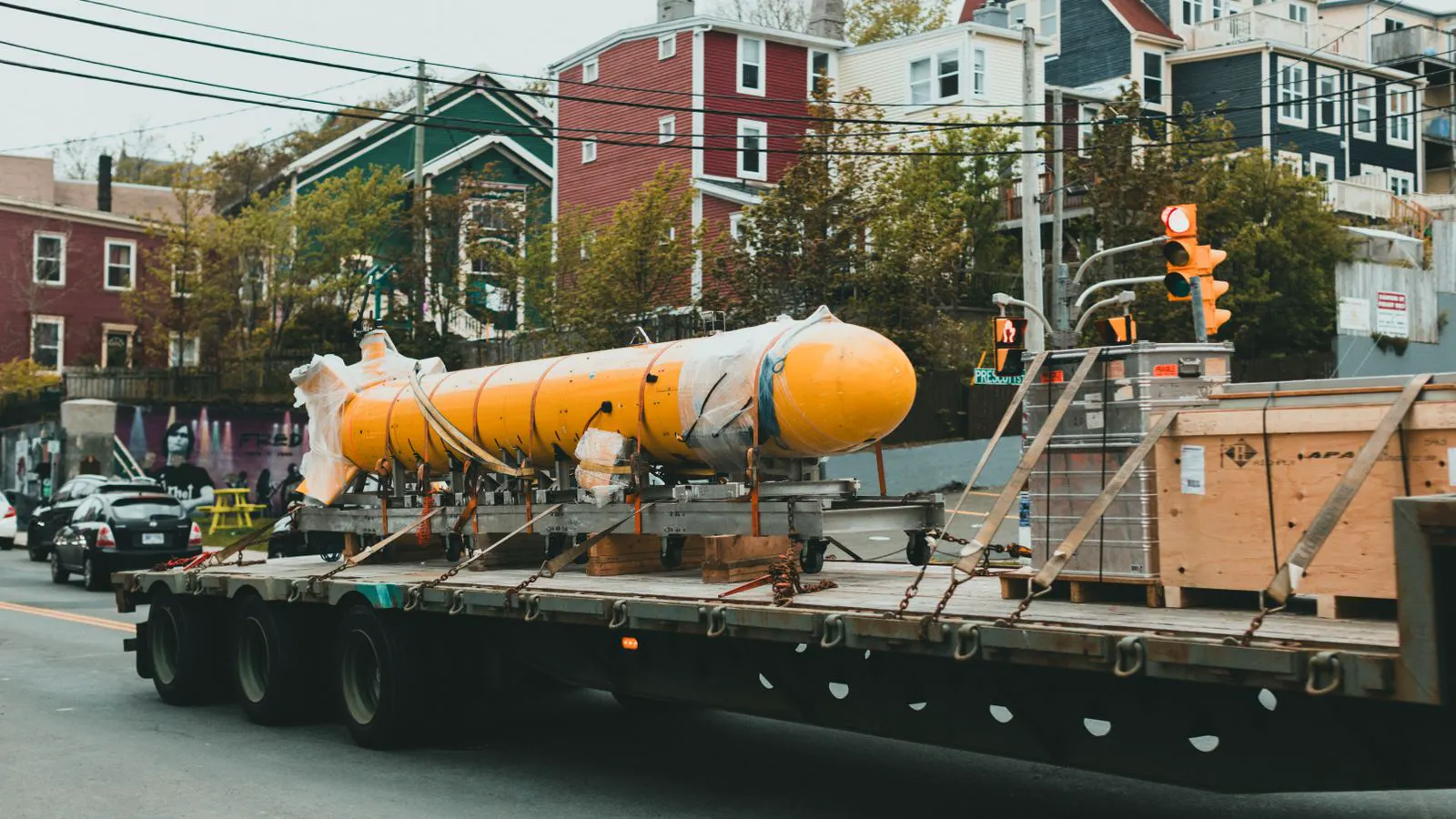
Road transport is the standard method for final delivery to a building site. A flatbed truck or a lowboy trailer carries the finished module from the factory to the destination. This method provides direct access to the site. The truck can stop at the building pad and position the unit for crane placement.
The main constraint is the legal weight limit of the road. Many regions limit the total weight of a vehicle and its load. If a modular unit exceeds this limit, it may require special permits, escort vehicles, or a split delivery. These extra measures increase cost and lead time. The dimensions of the building also matter. A unit that is too wide or too tall cannot travel on a standard truck.
Road transport is often the most flexible option. The route can be adjusted to avoid traffic or construction zones. However, the cost rises with distance. A truck that drives 500 kilometers faces fuel, driver, and maintenance costs. For local projects, road transport is usually the most efficient choice.
When rail freight becomes the better option
Rail freight is used for heavy or long-distance shipments where road transport is too expensive or impossible. A modular building can be loaded onto a flatcar or a specialized rail container. The train carries the unit from the factory to a rail terminal near the project site.
The advantage of rail is cost efficiency for heavy loads. Rail cars can carry more weight than a truck. The fuel cost per ton-kilometer is generally lower. This makes rail a strong option for large, heavy structures. However, rail does not offer door-to-door service. The unit must be moved from the rail terminal to the final site by road. This transloading step adds complexity.
Rail transport also requires careful planning. The rail terminal must have the right equipment to unload the building. The site must have access for the truck that will move the unit from the terminal. The distance from the terminal to the site can be short or long. Engineers must account for this final leg when comparing rail to direct road transport.
Sea freight for international prefab projects
Sea freight is the only practical option for shipping modular buildings across oceans. A large container or a flat container can carry the unit from the origin port to the destination port. The vessel transports the building across the water. The unit is then moved by road or rail to the final site.
The cost of sea freight depends on the distance, the size of the container, and the current freight rates. The lead time is the main drawback. Ocean crossings take weeks. The total delivery time includes port handling, customs clearance, and inland transport. Engineers must plan the project schedule around the sea voyage.
Sea freight also introduces more variables. The building must survive the journey. Moisture, salt air, and vibration can affect the structure. The packaging must be secure. The documentation must be complete. Any delay at the port can disrupt the entire project. International shipping requires coordination with multiple parties, including the shipper, the carrier, and the local authorities.
Comparing the three transport methods
The choice between road, rail, and sea comes down to distance, weight, and cost. The table below outlines the key differences.
| Transport Method | Best For | Main Constraint | Typical Lead Time |
|---|---|---|---|
| Road | Local and regional delivery | Weight and dimension limits | Days to weeks |
| Rail | Heavy, long-distance freight | Transloading and terminal access | Weeks |
| Sea | International shipping | Port handling and customs | Weeks to months |
Each method has a specific role. Road transport is the workhorse of the final delivery. Rail freight moves heavy loads over long distances at a lower cost. Sea freight handles global supply chains. The best plan often combines multiple modes. A building might start with road transport to a rail terminal, then move by rail to a destination port, and finally arrive by road to the site.
How to plan the building shipment
Planning the shipment requires early coordination. The manufacturer must provide accurate weight and dimension data. The logistics provider needs this information to select the right equipment. A mistake in the data can lead to a unit that does not fit on the truck or the rail car.
The site access must be checked. The crane at the site must be able to lift the unit. The road to the site must support the weight of the truck. The rail terminal must have the right equipment to unload. These details are often overlooked until the last minute.
The documentation is a critical part of the process. A building shipment requires a bill of lading, a packing list, and a certificate of origin. For international shipments, customs forms and insurance documents are also needed. Delays in paperwork can hold the unit at the port or the rail terminal.
A worked example of a mixed transport plan
Consider a modular building that is too heavy for a standard road truck but too far for a single rail segment. The building is manufactured in a city with a rail terminal. The project site is in a rural area with no rail access.
The first step is to move the building from the factory to the rail terminal by road. The truck carries the unit to the terminal. The second step is to load the unit onto a rail car. The train carries the unit to a second rail terminal closer to the project site. The third step is to move the unit from the second terminal to the project site by road. The final truck delivers the building to the crane at the site.
This mixed plan uses the strengths of each method. The road truck handles the short distances. The rail car handles the long, heavy leg. The final road truck handles the last mile. The total cost is lower than using road transport for the entire distance. The lead time is longer than a direct road trip, but the cost savings are significant. The plan requires coordination between the factory, the rail company, and the local trucking provider.
Common mistakes in transport planning
One common mistake is underestimating the weight of the building. The manufacturer may provide a nominal weight, but the actual weight can be higher due to materials and fixtures. A heavier unit may require a different truck or a split shipment.
Another mistake is ignoring the site access. The building may be too wide for the road to the site. The crane may be too small to lift the unit. These problems are expensive to fix after the building is already in transit.
The third mistake is poor documentation. A missing certificate of origin can hold a unit at the border. A wrong address on the bill of lading can cause the truck to drive to the wrong location. The paperwork must be checked multiple times.
Conclusion
Prefab shipping logistics is a critical part of the project. The choice of transport method affects cost, lead time, and site preparation. Road, rail, and sea each have their place. The best plan often combines multiple modes. Engineers must work with the manufacturer and the logistics provider from the start. Accurate data and early planning prevent costly delays. The goal is to move the building safely and on schedule to the site.
Frequently asked questions
Can a modular building be shipped by air freight?
Air freight is possible but very expensive. It is usually reserved for small, high-value components or emergency situations. The cost is rarely justified for a full building unit.
What is the maximum weight for a road truck?
The maximum weight depends on the country and the region. Legal limits are set by local authorities. A unit that exceeds these limits requires special permits and escorts.
How long does a sea shipment take?
A sea shipment can take weeks or months. The time depends on the distance between the ports and the current freight conditions. The total lead time includes port handling and customs clearance.
Do I need a special crane for rail transport?
A crane is needed to load and unload the unit at the rail terminal. The crane must be rated for the weight of the building. The site must also have a crane for the final placement.
What happens if the building is damaged in transit?
The building must be inspected upon arrival. If there is damage, the claim must be filed with the carrier and the insurer. The manufacturer may need to repair or replace the damaged parts.