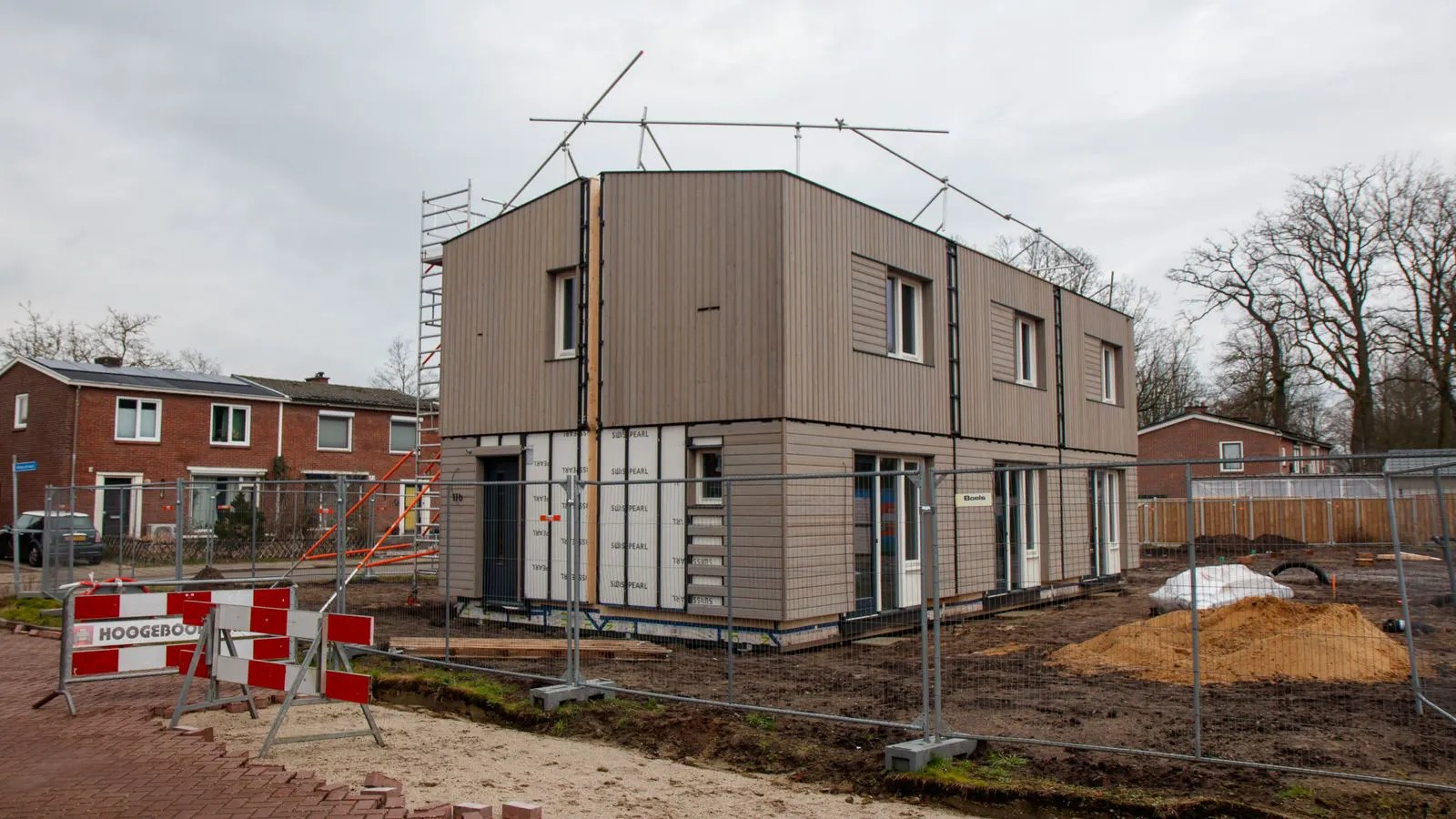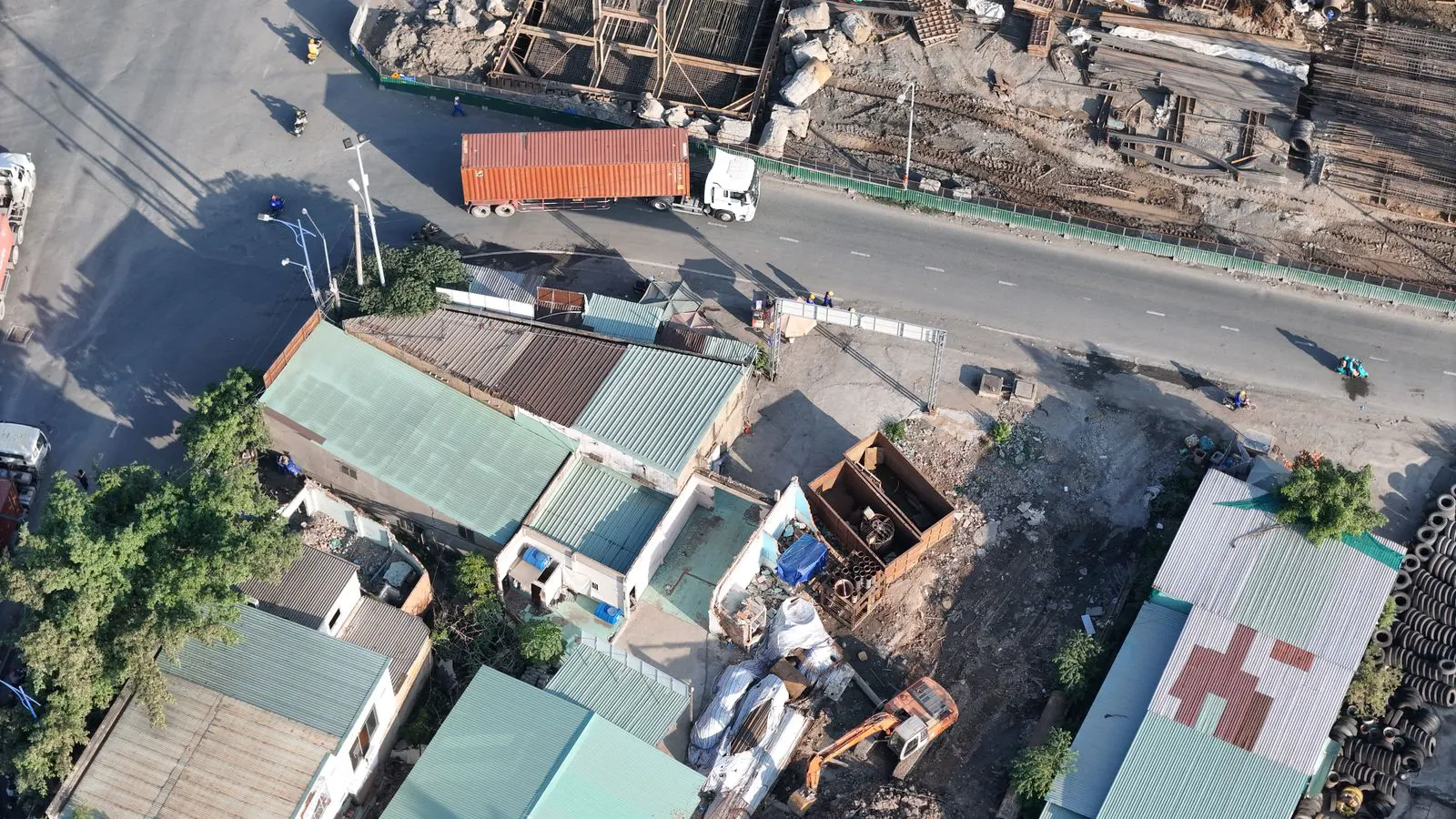
Procurement teams must verify site readiness before costing begins. This checklist covers access, utilities, and structural checks to prevent late-stage cost revisions for modular construction.
- Confirm site access and crane capacity before requesting modular construction cost quotes.
- Verify utility connections and structural readiness to avoid late-stage cost revisions.
- Align prefab cost planning with the actual site conditions to improve quote accuracy.
- Document red flags such as poor soil conditions or restricted access lanes.
1. Verify Access Routes and Turn Radii
Procurement teams often request modular construction cost quotes before confirming how the units will reach the build site. If the access route is too narrow or the turn radius is insufficient, the final price changes significantly.
Start by measuring the distance from the factory gate to the final drop zone. Check for overhead clearances, bridge weights, and road surface quality. A standard 12-meter module may require a specific trailer length. If the route includes a tight residential turn, the factory may need to split the unit into smaller sections. That increases cost.
Checklist items for access:
- Confirm the width of the access road. Standard modular trailers are wide. A standard road lane is often too narrow.
- Measure the vertical clearance. Overhead wires and low bridges can block delivery.
- Check the weight limits of local roads. Heavy modules require a permit and possibly road reinforcement.
- Verify the turning radius. The trailer needs space to maneuver around corners.
- Confirm the final drop zone. The crane needs a clear area to set the unit on the foundation.
Red flags to watch:
- The site is in a dense urban area with narrow streets.
- The delivery route passes over a low bridge without clearance.
- The final drop zone is not paved or is too soft.
- The site requires a temporary road extension to reach the structure.
If the access route is complex, the transport team may need a pilot vehicle. This adds time and cost. Procurement should flag these issues early.
2. Check Foundation and Structural Readiness
Modular units sit on a pre-engineered foundation. The foundation must match the unit weight, the soil conditions, and the local building code. If the site is not ready, the factory cannot produce the unit to the correct specification.
Before costing begins, confirm the foundation type. Is it a pad foundation, a pier and beam system, or a full slab? The weight distribution of the module changes the design. A two-story unit puts different stress on the foundation than a single-story unit.
Checklist items for structural readiness:
- Confirm the soil report. The geotechnical report dictates the foundation depth and type.
- Verify the foundation dimensions. The foundation must match the module footprint exactly.
- Check the bearing capacity. The soil must support the unit weight plus the live load.
- Confirm the levelness. The foundation must be level within the manufacturer’s tolerance.
- Verify the anchor points. The foundation must have the correct hole pattern for anchoring.
Red flags to watch:
- The soil report is missing or outdated.
- The foundation is not built to the exact dimensions required.
- The site is on a slope that requires special engineering.
- The foundation is not level or has cracks.
If the foundation is not ready, the factory cannot schedule the unit. The cost for re-engineering the foundation or the module can be substantial. Procurement should ensure the foundation design is locked before the cost estimate is finalized.
3. Confirm Utility Connections
Modular units are often delivered with pre-wired electrical systems and pre-plumbed plumbing. However, the site must have the main connections ready. If the site does not have a power connection, the factory cannot test the electrical system. If the water main is not in place, the plumbing cannot be connected.
Checklist items for utility connections:
- Confirm the electrical service. The site must have a power connection that matches the unit load.
- Verify the water main. The site must have a water connection at the correct pressure.
- Check the sewer connection. The site must have a sewer line or a septic system that meets code.
- Confirm the gas supply. If the unit uses gas for heating, the site must have a gas line.
- Verify the telecom connections. The site must have internet and phone lines ready.
Red flags to watch:
- The power connection is not yet approved by the utility company.
- The water main is under construction.
- The sewer connection is not in place.
- The gas line is not available.
If the utilities are not ready, the unit cannot be commissioned. The factory may need to hold the unit in a warehouse. This adds storage cost. Procurement should verify the utility status before the cost estimate is finalized.
4. Review Site Prep and Earthwork
The site must be prepared before the module is delivered. This includes grading, drainage, and grading. If the site is not graded, the foundation will shift. If the drainage is poor, water will accumulate around the unit.
Checklist items for site prep:
- Confirm the grading. The site must be graded to the correct slope for drainage.
- Verify the drainage. The site must have a drainage system to handle rainwater.
- Check the landscaping. The site must be ready for landscaping.
- Confirm the site cleaning. The site must be free of debris and construction waste.
- Verify the site access. The site must have a clear path for the delivery vehicle.
Red flags to watch:
- The site is not graded.
- The drainage is poor.
- The site is full of debris.
- The site access is blocked.
If the site is not prepared, the delivery vehicle will not be able to reach the unit. The cost for site remediation can be high. Procurement should ensure the site is ready before the cost estimate is finalized.
5. Align Prefab Cost Planning with Site Conditions
Prefab cost planning is not just about the unit cost. It is about the total cost of delivery and installation. If the site conditions are not aligned with the factory’s assumptions, the cost will change.
Checklist items for prefab cost planning:
- Confirm the total cost of delivery. The transport team must provide a quote.
- Verify the cost of installation. The installation team must provide a quote.
- Check the cost of site prep. The site prep team must provide a quote.
- Confirm the cost of utilities. The utility company must provide a quote.
- Verify the cost of permits. The local authority must provide a quote.
Red flags to watch:
- The transport team has not provided a quote.
- The installation team has not provided a quote.
- The site prep team has not provided a quote.
- The utility company has not provided a quote.
- The local authority has not provided a quote.
If the cost planning is not aligned, the final cost will be higher than expected. Procurement should ensure all costs are included in the estimate.
6. Table of Key Cost Drivers
| Cost Driver | Site Readiness Impact | Potential Cost Increase |
|---|---|---|
| Access Route | Narrow roads or low bridges | High |
| Foundation | Poor soil or incorrect dimensions | High |
| Utilities | Missing connections | Medium |
| Site Prep | Poor grading or drainage | Medium |
| Permits | Delayed approvals | Low to Medium |
7. Final Pre-Costing Checklist
Before requesting a modular construction cost quote, complete this final checklist.
- Access route measured and approved.
- Foundation design finalized and built.
- Utilities connected and tested.
- Site graded and drained.
- Permits secured.
- Transport team quoted.
- Installation team quoted.
- Site prep team quoted.
If any item is incomplete, do not request the cost quote. The factory will not be able to provide an accurate estimate. Procurement should ensure the site is ready before the cost estimate is finalized.
Frequently asked questions
What is the most common reason for cost overruns in modular construction?
Poor site readiness is the most common reason. If the site is not prepared, the factory cannot deliver the unit on time. The cost for remediation is high.
How early should I verify site access?
Verify site access before requesting the cost quote. The access route determines the transport cost. If the route is too narrow, the unit may need to be split.
What happens if the foundation is not ready?
The factory cannot schedule the unit. The foundation must match the module footprint exactly. If it is not ready, the cost for re-engineering is high.
Do utilities affect the modular construction cost?
Yes. If the utilities are not connected, the unit cannot be commissioned. The factory may need to hold the unit in a warehouse. This adds storage cost.
Can I get an accurate cost estimate without a site survey?
No. A site survey is required to verify access, foundation, and utilities. Without a survey, the factory cannot provide an accurate cost estimate.