Modular construction is moving toward higher factory automation, tighter design-to-production coordination, and greater supply chain transparency. Buyers should plan for longer lead time variability, stricter documentation, and hybrid delivery models. This guide outlines six shifts to anticipate and how to prepare.
- Factory automation is expanding, but buyers should verify how it affects quality control and defect rates
- Design lock is moving earlier in the process, requiring tighter coordination between architect and factory
- Supply chain transparency is becoming a standard expectation, not a premium add-on
- Lead time variability is increasing due to component sourcing and logistics constraints
- Hybrid delivery models combining modular and on-site construction are gaining traction
Factory Automation and Quality Control
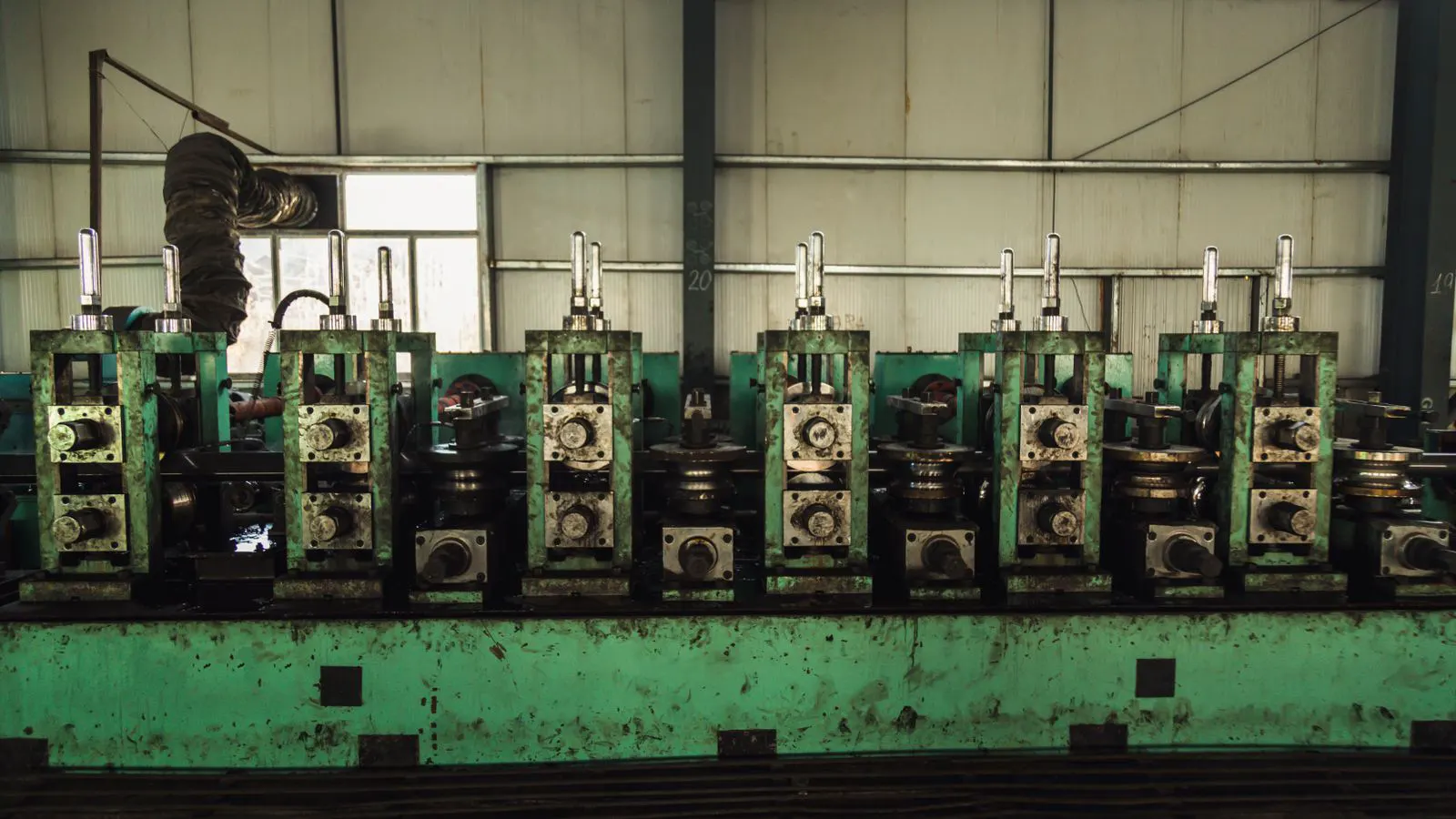
Modular construction factories are increasing automation across welding, insulation, and finish work. This is not a uniform shift. Some factories automate structural assembly, while others focus on interior fit-out. Buyers should ask which processes are automated and which remain manual.
The practical effect is tighter tolerances and more consistent quality, but only if the factory’s quality control procedures match its production method. A highly automated factory with weak inspection protocols can produce units that meet specifications on paper but fail in the field. Request documentation of in-process inspections, not just final acceptance tests.
When reviewing a factory’s capability statement, look for specific references to automated testing, such as pressure testing for HVAC, thermal imaging for insulation, or load testing for structural panels. Generic claims about advanced manufacturing do not substitute for verifiable process controls.
Design Lock and Coordination
The biggest operational shift in modular construction is the earlier lock of design. Factories cannot adjust a unit’s layout after it leaves the production line. This means the design freeze is now a critical milestone, not a formality.
Buyers should expect their project manager to work directly with the factory’s engineering team during the design development phase. The factory will flag constructability issues, component availability constraints, and transport dimensions before they become field problems. This coordination requires more time upfront and fewer changes later.
Practical steps include defining the design freeze date in the contract, appointing a single point of contact for design changes, and using a shared digital model rather than separate CAD files. If your architecture firm has not worked with a modular factory before, schedule a site visit to observe the production flow.
Supply Chain Transparency
Supply chain visibility is moving from a premium service to a baseline expectation. Factories are increasingly providing buyers with component traceability, from steel mill certificates to window manufacturer lot numbers. This matters when a defect appears after installation and the source needs to be identified.
The shift is driven by two factors. First, component sourcing is more complex than it was five years ago, with longer lead times for specialized items. Second, buyers are holding factories accountable for delivery performance and quality, and transparency supports that accountability.
When evaluating a factory, ask what level of documentation they provide for key components. A factory that offers only final unit acceptance reports is operating at a lower standard than one that provides material certificates and in-process inspection records.
Lead Time and Logistics
Modular building lead time is no longer a single number. Factories report ranges because production slots, component delivery, and site readiness all affect the final on-site date. The gap between the factory’s nominal lead time and the actual on-site assembly date is where projects slip.
Logistics planning is now a factory function, not just a site function. The factory schedules transport windows, coordinates with the site’s crane availability, and sequences unit delivery to match the foundation and utility readiness. Buyers who treat transport as an afterthought create schedule conflicts that the factory cannot resolve.
Plan for a two-week buffer between the last unit’s off-site and the first on-site assembly. This buffer absorbs minor delays in component delivery, weather-related site prep, or crane rescheduling. Do not build this buffer into the contract as a free float; treat it as a risk mitigation measure that protects the critical path.
Hybrid Delivery Models
A growing share of projects combine modular units with on-site construction. This includes adding an on-site mezzanine, extending a foundation for a site-built section, or integrating modular units into an existing structure. Hybrid delivery reduces the risk of a full modular project but complicates the interface between factory and site.
The key challenge is the connection point. Where a modular unit meets a site-built wall, roof, or floor, the details must be designed and built to the same standard. If the factory and the site builder do not coordinate on those interfaces, you get gaps, water intrusion, or finish mismatches.
Buyers should define the interface scope in the contract. Specify which party designs the connection, which party builds it, and how the joint will be inspected. A shared responsibility matrix prevents the common mistake of assuming both parties are handling the same detail.
Digital Documentation and Approvals
Paper-based project files are disappearing from modular construction. Factories are moving toward digital submittals, cloud-based change orders, and electronic sign-off on inspection reports. This is not a cosmetic change. It affects how quickly issues are resolved and how the project record is maintained.
The practical implication is that your project team needs a shared digital repository. If design changes are tracked in email, inspection reports are saved to local drives, and the factory works from a different system, the project record becomes fragmented. By the time a warranty claim is filed, the documentation trail may be incomplete.
Require the factory to provide a digital project file that includes design approvals, inspection records, material certificates, and as-built drawings. Confirm that the file format is accessible to your team for at least the warranty period.
How to Prepare for These Shifts
The changes outlined above are not optional. Factories are adopting these practices because buyers are demanding them. The cost of preparation is small compared to the cost of a delayed project or a failed interface.
Start with your contract. Define the design freeze date, the documentation requirements, and the logistics coordination protocol before you sign. Then build your project team around the reality that the factory and the site are one system, not two separate trades.
The most common mistake is treating modular construction as a delivery model rather than a production process. When you understand that the building is manufactured, not assembled, the planning decisions change. You lock the design earlier. You coordinate logistics with the factory, not just the site. You verify quality in the factory, not after the unit is on site.
These shifts are already happening. The factories that adapt will win the next cycle of projects. The buyers who prepare will avoid the schedule and quality risks that catch off-prepared teams.
Table: Modular Construction Shifts and Buyer Preparation
| Shift | What Changes | Buyer Action |
|---|---|---|
| Factory automation | More automated processes, tighter tolerances | Verify in-process inspection protocols, not just final acceptance |
| Earlier design lock | Design freeze moves to early design development | Define freeze date in contract, coordinate with factory engineering |
| Supply chain transparency | Component traceability becomes standard | Request material certificates and in-process records |
| Lead time variability | Ranges replace single numbers | Build two-week buffer, coordinate logistics with factory |
| Hybrid delivery | Modular plus on-site construction | Define interface scope and responsibility in contract |
| Digital documentation | Cloud-based submittals and approvals | Establish shared digital repository, confirm file access |
Frequently asked questions
Is factory automation going to make modular construction cheaper?
Automation can reduce labor costs on certain processes, but it also raises the capital cost of running the factory. The net effect on price depends on the factory's production volume and the specific processes automated. Buyers should ask which processes are automated and how that affects the unit price.
How do I verify that a factory's quality control is adequate?
Request a sample of in-process inspection reports and final acceptance records for a similar project. Ask about the inspection points and who performs them. A factory that provides only final reports without in-process records is not meeting the current standard.
What should I do if my architect has not worked with a modular factory before?
Schedule a factory site visit during the design development phase. Bring the design team to observe the production flow and identify constructability issues early. The factory's engineering team will flag problems that are easier to solve in the design than in the field.
Is hybrid delivery more complex than full modular?
Yes, because of the interface between the modular unit and the site-built section. The complexity is in the connection details, not in the production itself. A well-defined interface scope in the contract and a shared responsibility matrix prevent most issues.
How long should I keep the digital project file?
Keep it for the warranty period and beyond. If your project is a commercial building, retain the file for the useful life of the structure. The file includes design approvals, inspection records, material certificates, and as-built drawings that may be needed for future modifications or warranty claims.