Prefab building certification is a system of third-party checks verifying that a modular structure meets specific building regulations before it reaches the site. It covers factory processes, material testing, and final assembly. This guide explains how each step affects sourcing and risk.
- Certification separates factory work from site work, shifting risk to the manufacturer.
- Third-party audits verify that factory processes match the engineered design.
- Local prefab building regulations often require separate sign-offs for foundation and utility connections.
- Understanding the certification process reduces surprises during import or construction.
- Prefab compliance documents should cover both structural integrity and fire safety.
What Is Prefab Building Certification Actually?
Prefab building certification is not a single stamp on a building. It is a chain of checks that proves a modular structure was built according to the engineered design and meets local prefab building regulations. The process usually splits into two parts: factory certification and site approval. Factory certification confirms that the manufacturer can produce modules correctly, consistently, and safely. Site approval confirms that the specific module fits the local conditions.
This distinction matters for buyers. A factory certificate is a statement about capability. A site certificate is a statement about placement. You need both.
How Certification Differs From Approval
Certification and approval sound similar, but they serve different buyers. Certification is often issued by an independent body, a government agency, or an accredited testing firm. It validates the design, materials, and manufacturing process. Approval is a local government action. It confirms that the approved design can be built on a specific plot.
Think of it this way. Certification is about the product. Approval is about the location. A modular unit may be fully certified for one climate zone and still need local modifications for another. The unit is the same, but the regulatory file changes.
This split affects sourcing decisions. If a supplier offers only a design certificate, you still need to verify that the local authority accepts it. If a supplier offers a full site approval package, they have already handled the local paperwork. That saves time, but it also means you are tied to their local compliance team.
The Role of Prefab Building Regulations
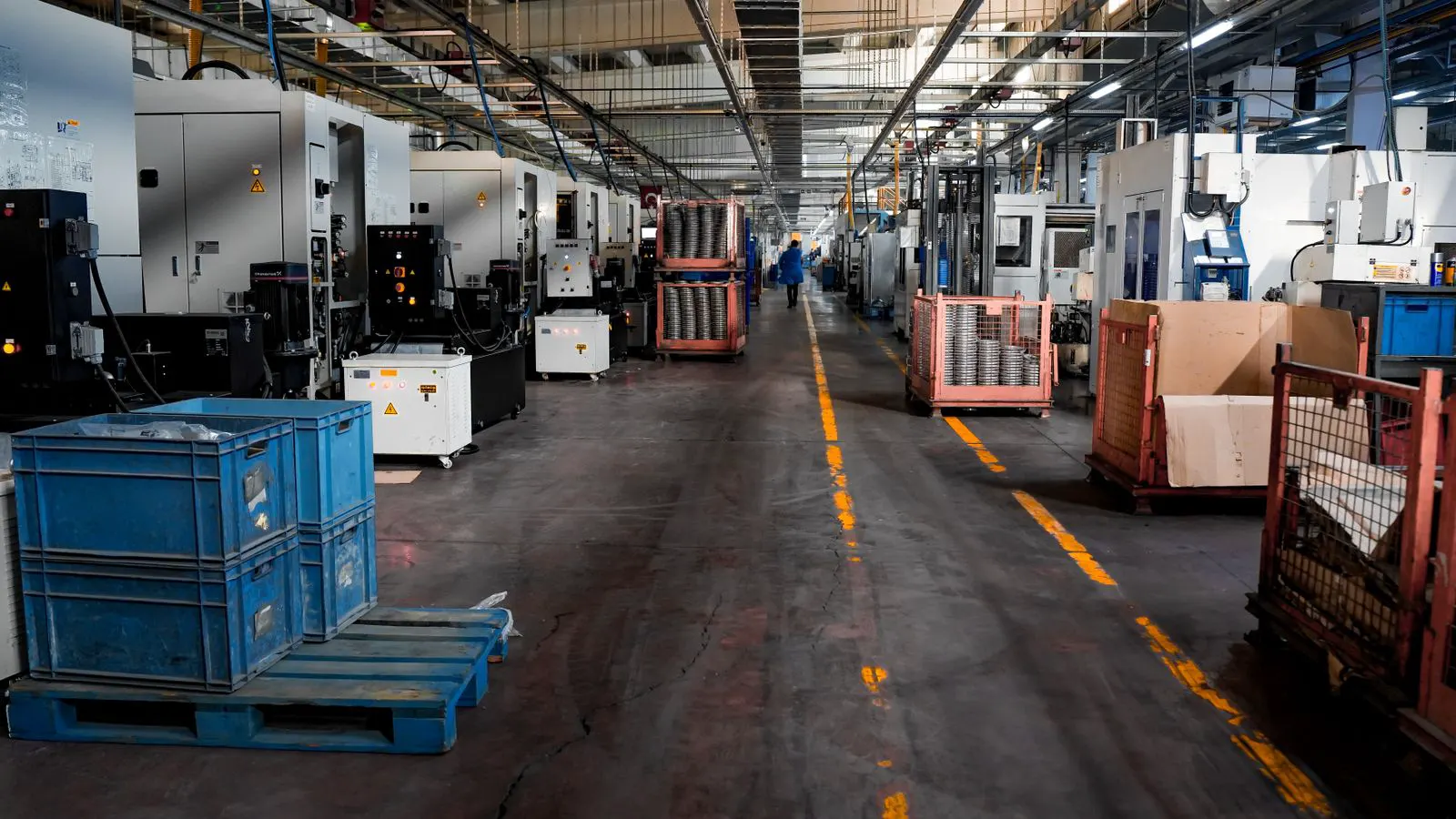
Prefab building regulations exist to close the gap between factory production and on-site assembly. Traditional construction is inspected in stages. A foundation is poured, inspected, and covered. Walls are framed, inspected, and sheathed. Each stage is visible to the inspector. Modular construction hides a lot of that work inside the factory. The wall is fully finished before it leaves the plant. The insulation is sealed. The wiring is connected. The inspector cannot see the inside of a finished module the way they see the inside of a framed wall.
So regulations create specific rules for prefabricated structures. These rules often require third-party testing of components. They may mandate fire ratings for materials. They set requirements for structural connections between modules. They define how modules must be anchored to foundations. They specify how utilities must be disconnected at the factory and reconnected on site.
These regulations vary by country and even by region. A rule that works in one jurisdiction may not apply in another. That is why the primary keyword, prefab building regulations, is not a single set of laws. It is a collection of local, national, and international requirements that must be tracked for each project.
What the Certification Process Includes
The certification process typically has four stages.
- Design Review. An independent body reviews the engineering drawings, structural calculations, fire safety plans, and material specifications. They check that the design is internally consistent. They verify that the structural connections can handle the loads. They confirm that fire egress paths are clear.
- Factory Audit. Inspectors visit the manufacturing facility. They watch production. They check that the factory follows the approved design. They review quality control records. They test samples of materials on site. They verify that calibration tools are up to date.
- Type Testing. This is where physical testing happens. A representative module or component is built and tested. It may be subjected to thermal cycles, pressure tests, or structural loads. The results prove that the design performs as calculated.
- Ongoing Supervision. Certification is not a one-time event. The factory must maintain its processes. The independent body may conduct surprise audits. If the factory changes a supplier or a material, it must notify the certifier. If the design changes, the certifier must re-evaluate the system.
Each stage produces documents. The design review creates a technical file. The factory audit creates an inspection report. Type testing creates a lab report. Ongoing supervision creates annual audit records. Together, these documents form the certification package.
How Certification Affects Sourcing Decisions
When you source modular buildings, certification status changes your risk profile. A supplier with a current factory certificate has demonstrated that its processes are controlled. A supplier without a certificate may still build good modules, but the buyer bears more responsibility for verifying quality.
Certification also affects lead times. A project with a pre-certified design can move faster. The local authority may accept the design file without extensive review. A project with an untested design may face delays. The local authority may require additional testing or engineering review before issuing a permit.
There is a cost trade-off. Certified systems often have higher upfront costs. The factory must pay for audits, testing, and documentation. The buyer pays for the certification package. But these costs are usually lower than the cost of failed inspections. A module that fails a local structural review may need to be dismantled, modified, or replaced. That is expensive and slow.
Certification also affects resale value. A building with a clear certification history is easier to sell. The buyer can verify that the structure was built to code. A building with no documentation is harder to finance. Lenders and insurers may discount the value or refuse coverage.
A Worked Example: Modular Office Building
Consider a company planning to build a small office using six prefabricated modules. The building will house twelve people. The modules will be two stories high. The site is in a region with strict fire and seismic rules.
The supplier provides a certified design package. The package includes the structural calculations, fire safety report, and factory audit certificate. The independent body has reviewed the design and approved the materials. The factory has been audited and passed.
The buyer takes the package to the local building department. The department checks the package against local prefab building regulations. They verify that the structural connections meet seismic requirements. They check that the fire egress paths are clear. They review the foundation design. They confirm that the utility connections are safe.
The department issues a site approval. The factory builds the modules according to the certified design. Quality control checks each module before it leaves the plant. The modules are transported to the site. A crane lifts them into place. The modules are connected. The foundation is connected. The utilities are reconnected.
A final inspection is conducted. The inspector checks the connections, the fire egress, and the utility connections. The building passes. The owner receives a certificate of occupancy.
If the supplier had not provided a certified design, the local department would have had to review the engineering from scratch. They might have asked for additional testing. They might have required changes to the structural connections. The project would have taken longer. The cost would have been higher. The risk would have been on the buyer.
Common Mistakes in Prefab Compliance
Many projects fail because buyers underestimate the documentation side of prefab compliance. The most common mistake is assuming that a factory certificate is enough. It is not. The local authority needs to see that the specific module fits the specific site.
Another mistake is changing the design after the certification process has started. If the buyer adds a window or changes a material, the certification may be void. The design must be locked before the factory begins production. Any changes must go through the certifier.
A third mistake is ignoring the foundation. The module is certified, but the foundation may not be. The foundation is a local element. It must be designed for the specific soil conditions and local loads. The module and the foundation must be reviewed together.
A fourth mistake is skipping the utility connection review. Electrical, plumbing, and gas connections are critical. They must be disconnected at the factory and reconnected on site. The local authority will inspect these connections. If they are not done correctly, the building will not pass.
How to Verify Certification Documents
When reviewing a supplier’s certification package, look for specific documents. A design certificate should list the scope of certification. It should name the independent body. It should list the materials and components covered. It should state the validity period. It should list any limitations or exclusions.
A factory audit report should show the date of the audit. It should list the scope of the audit. It should state whether the factory passed, passed with conditions, or failed. It should list any corrective actions required.
A type test report should show the test method. It should show the results. It should compare the results to the required performance values. It should state whether the design passed.
If any of these documents are missing, ask the supplier to provide them. If the supplier cannot provide them, treat the certification claim with caution. Do not rely on verbal assurances. Paper documents are your protection.
Final Thoughts
Prefab building certification is a system, not a stamp. It is a chain of checks that protects the buyer, the builder, and the occupants. It shifts risk from the buyer to the manufacturer and the certifier. It gives the local authority confidence that the module is fit for purpose.
Understanding the certification process helps you make better sourcing decisions. It helps you identify suppliers who can deliver on time and within budget. It helps you avoid costly delays and failed inspections. It gives you confidence that the building you are buying is safe, legal, and built to code.
Start with the design. Verify the certifier. Check the factory audit. Review the type tests. Confirm that the local authority accepts the package. Do these things, and you will reduce your risk. Skip them, and you will carry the risk yourself.
Frequently asked questions
What is the difference between a factory certificate and a site approval?
A factory certificate verifies that the manufacturer can produce modules correctly. A site approval confirms that the specific module can be placed on a specific plot under local prefab building regulations.
Who issues prefab building certification?
Certification can be issued by an independent testing body, a government agency, or an accredited certification firm. The issuing body depends on the jurisdiction and the type of building.
How long does the certification process take?
The time varies by project complexity and local requirements. A simple single-story module may take weeks. A complex multi-story building with special fire or seismic requirements may take months.
Can I change the design after certification?
Yes, but the change must be reviewed and re-certified. If the change affects structure, fire safety, or materials, the certifier must approve it before production.
Do I need a separate certificate for the foundation?
Yes. The foundation is a local element and must be designed and approved for the specific site conditions. The module and the foundation are reviewed together during site approval.